Choosing between TimberTech and real wood decking affects cost, maintenance, and long-term performance for homeowners in Twin Cities, MN. Harsh winters, moisture, and temperature swings demand materials that handle seasonal stress without breaking down. Understanding durability, upkeep, and expected lifespan helps prevent costly repairs and supports stronger long-term value when planning a new deck.
Key Takeaways
- TimberTech decking in the Twin Cities typically delivers a longer lifespan and requires less maintenance than traditional wood decking.
- Real wood decks often cost less upfront but require consistent upkeep to perform well in Minnesota’s weather.
- Composite decking lifespan in Minnesota remains more predictable due to resistance to moisture, rot, and temperature swings.
- The best decking material for Minnesota weather depends on budget, maintenance expectations, and long-term value goals.
Which Decking Option Delivers Better Long-Term Value in the Twin Cities
Minnesota weather puts every decking material to the test. Long-term value depends on how well the material handles moisture, temperature swings, and seasonal wear.
Upfront Cost Versus Long-Term Investment
TimberTech vs real wood decking comparisons often start with initial pricing, where wood typically costs less to install. However, long-term value in the Twin Cities depends on maintenance, repair frequency, and replacement timelines. As with ongoing upkeep of exterior systems, these factors increase the total cost of wood decks, as seasonal wear accelerates deterioration.
Lifespan Performance in Minnesota Conditions
Composite decking lifespan in Minnesota often exceeds that of traditional wood because it resists moisture intrusion and freeze-thaw damage. Wood decks, including cedar, break down faster as repeated snow loads and ice buildup weaken the fibers, often leading to larger exterior updates, such as siding replacement, after prolonged exposure.
Maintenance Demands Throughout the Year
Wood deck maintenance in the Twin Cities requires ongoing seasonal work such as spring cleaning, summer sealing, and fall inspections before winter. Composite vs. wood deck maintenance comparisons show that TimberTech decking limits recurring tasks, and, like lower-maintenance exterior materials such as James Hardie siding, it reduces the time commitment tied to yearly upkeep cycles.
Moisture Resistance and Structural Stability
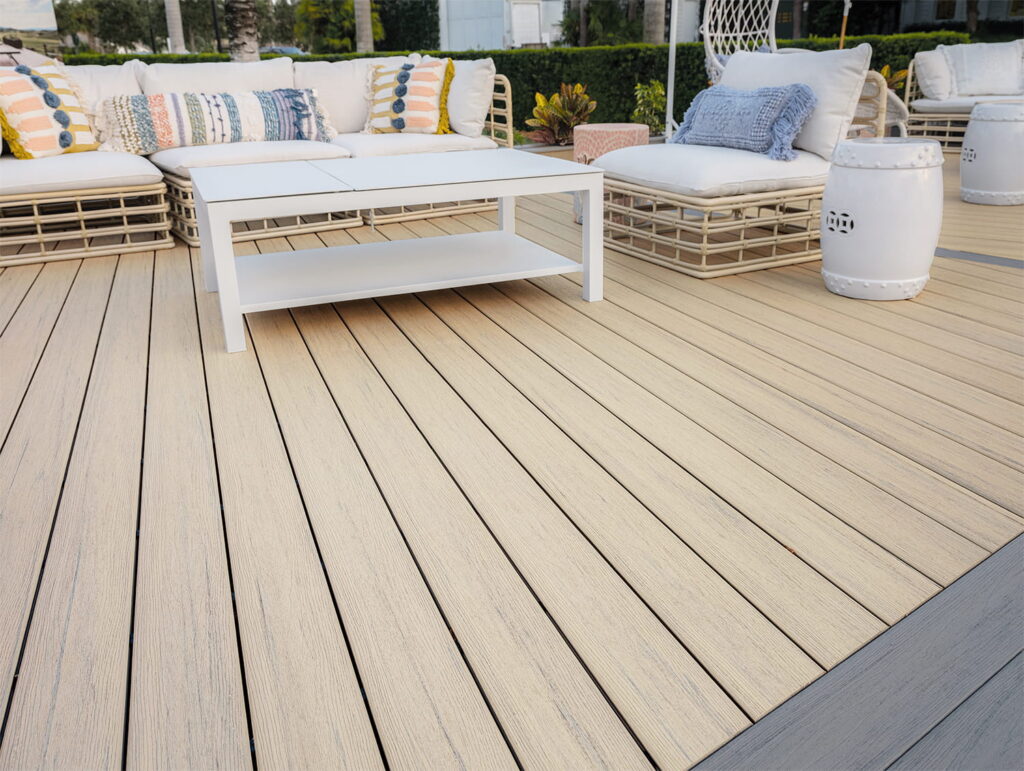
TimberTech decking blocks water penetration at the surface, which helps preserve board shape and structural integrity in freezing conditions. Real wood decking absorbs moisture, which leads to expansion during warmer months and contraction during freezes, increasing the risk of long-term structural movement.
Appearance Retention Over Time
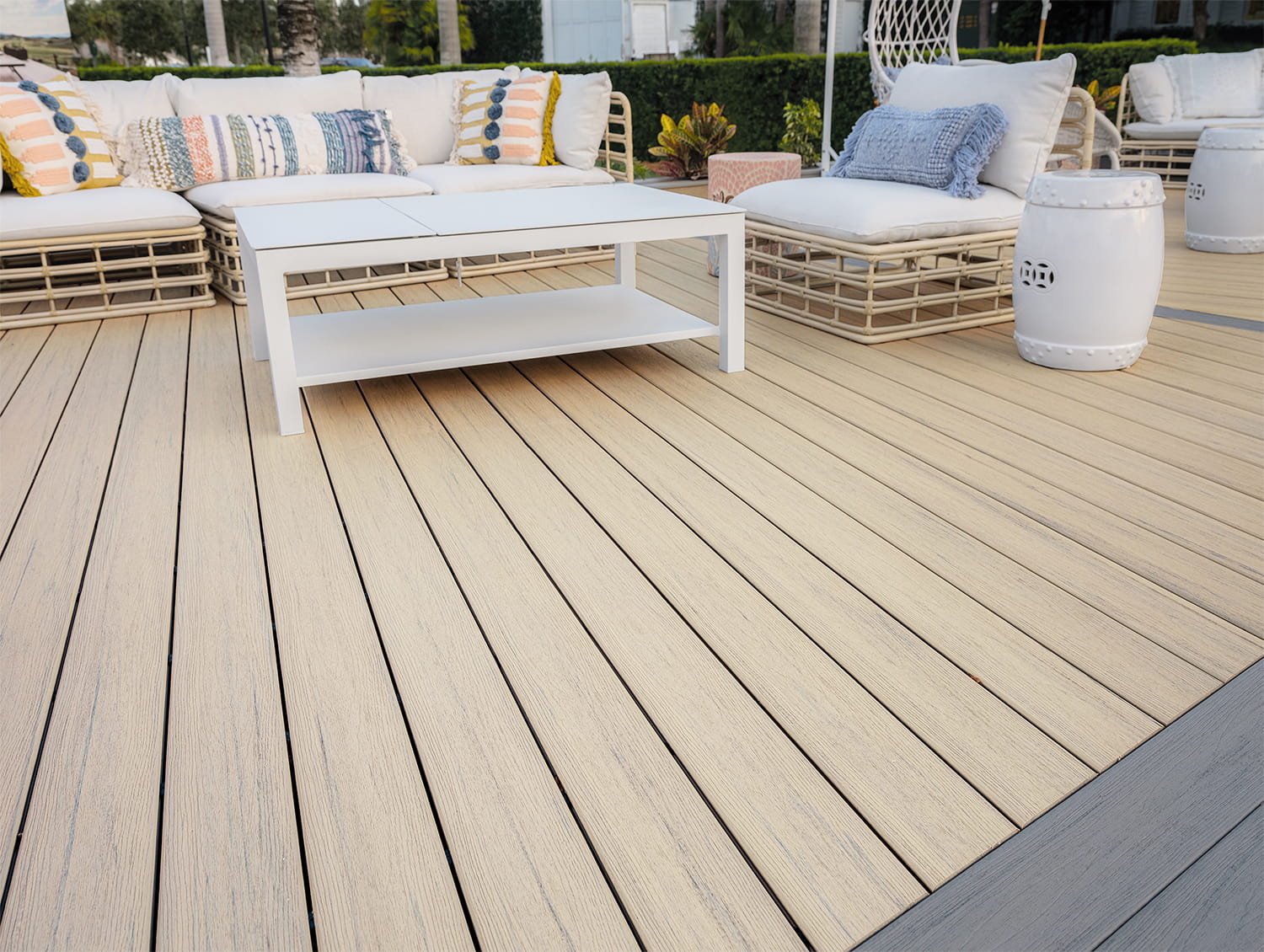
TimberTech vs cedar deck comparisons often show that composite materials maintain consistent color despite prolonged UV exposure and snow cover. Wood decks fade unevenly and often develop discoloration patterns that require sanding or refinishing to restore a uniform appearance.
Key Factors to Compare Before Choosing Your New Deck
Selecting the right decking material involves more than cost alone. Each option performs differently based on installation conditions, usage, and long-term expectations.
Climate Suitability for Twin Cities Homes
The best decking material for Minnesota weather must handle snow accumulation, ice buildup, and rapid temperature swings without surface failure. Composite decking products maintain strong stability under these conditions, while wood requires protective treatments to avoid seasonal damage.
Ongoing Maintenance Expectations
Differences in composite vs. wood deck maintenance come down to workload over time, not just frequency. Wood requires repeated sealing cycles and surface prep. At the same time, composite materials reduce hands-on maintenance and eliminate most refinishing tasks, much like how consistent care reduces the need for larger exterior repairs, such as siding repair.
Budget Planning Beyond Installation
A TimberTech deck cost comparison should account for long-term ownership costs, including materials, labor, and maintenance supplies. Wood often appears affordable upfront, but repeated upkeep and repairs increase total investment over the deck’s lifespan.
Durability and Wear Resistance
In Minnesota, foot traffic combined with trapped moisture from snow and debris accelerates surface wear. Composite decking resists surface damage and moisture-related degradation, whereas wood softens and deteriorates more quickly under these combined conditions.
Resale Value and Buyer Expectations in Minnesota Markets
In Twin Cities housing markets, buyers often prioritize low-maintenance exterior features that perform through harsh winters. Composite decking aligns with these expectations, while wood decks may raise concerns about future upkeep and seasonal repair costs.
Choose a Decking Solution That Protects Your Investment Year After Year in the Twin Cities
Twin Cities Siding and Roofing helps homeowners across the Twin Cities select decking materials that reduce maintenance demands while standing up to Minnesota’s freeze-thaw cycles and seasonal wear. Choosing the right solution early helps prevent costly repairs and improves long-term durability.
If you are planning a new deck or comparing TimberTech and wood options, contact us to start building a deck designed for lasting value.
Frequently Asked Questions
What is the average lifespan of composite decking in Minnesota?
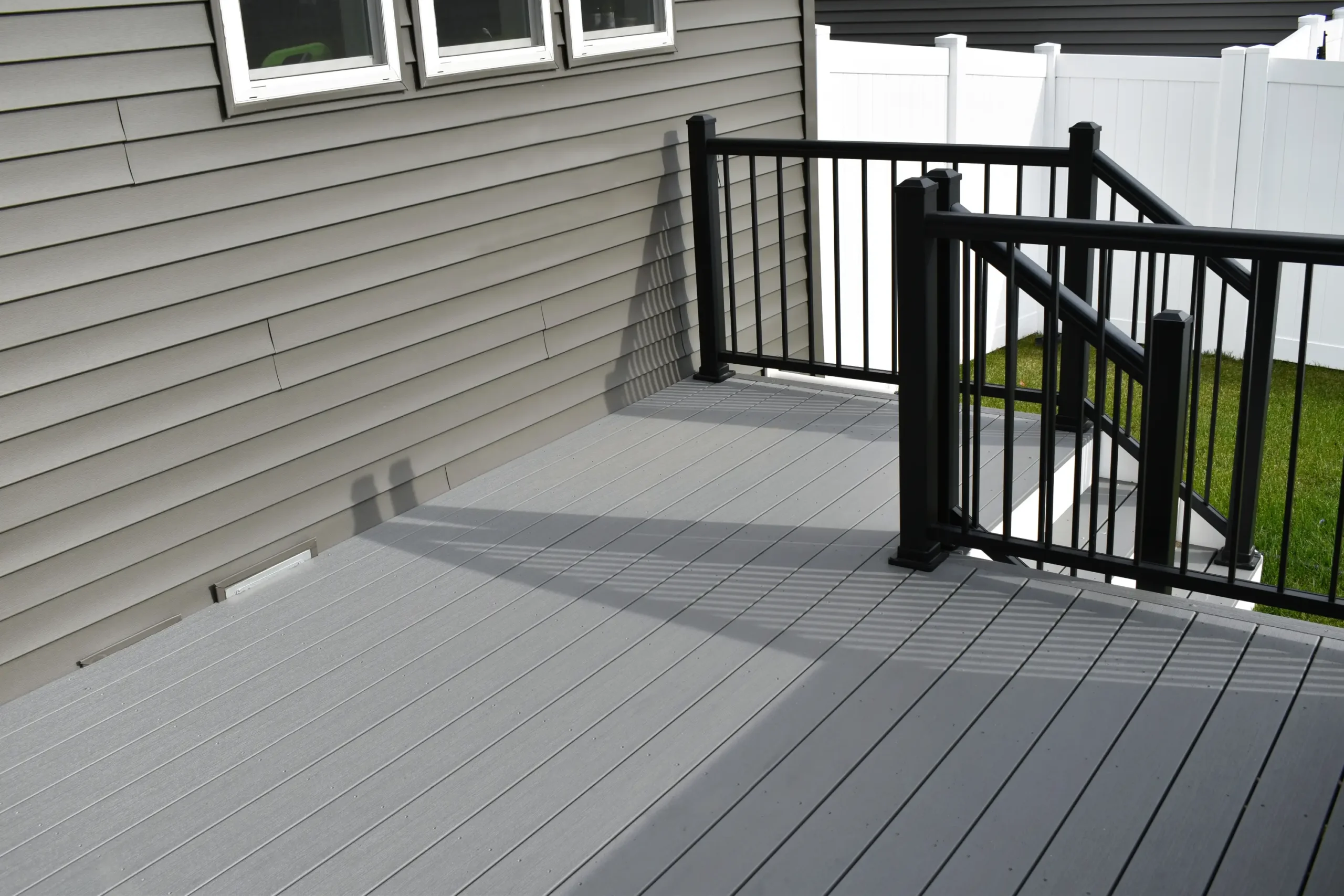
Composite decking lifespan in Minnesota typically ranges from 25 to 30 years, depending on product quality and installation. Its resistance to moisture, rot, and temperature changes makes it a reliable long-term option for local climate conditions.
Is TimberTech better than a cedar deck for Twin Cities homes?
TimberTech vs cedar deck comparisons often favor composite materials for durability and lower maintenance. Cedar offers a natural look but requires regular sealing and upkeep to maintain performance in Minnesota’s changing weather conditions.
How much maintenance does a wood deck require in the Twin Cities?
Wood deck maintenance in the Twin Cities usually includes annual cleaning, staining, and sealing. Seasonal inspections also help identify moisture damage, warping, or surface wear caused by snow, ice, and humidity.
What is the cost difference between TimberTech and wood decking?
A TimberTech deck cost comparison shows higher upfront costs for composite materials. However, reduced maintenance and a longer lifespan often offset the initial investment over time compared to wood decking, which requires ongoing care and repairs.