In Minnesota, a roof has to perform under weather conditions that push roofing materials and roof construction methods to their limits. Long winters, repeated freeze-thaw cycles, cold temperatures, heavy snow, and ice storms quickly expose poor installation issues that might stay hidden in warmer regions.
Many homeowners in the Twin Cities only recognize warning signs after roof leaks, ice dams, or higher energy bills occur, often just a few seasons after a roof installation. Understanding the signs early allows homeowners to act before minor problems lead to structural damage, interior damage, or costly roof repair or roof replacement.
Key Takeaways
- Improper roof installation often shows itself first during the Minnesota winter, not during mild weather.
- Small symptoms like uneven snow melting, air leakage, or drafts in the attic space can point to larger cold-climate roof installation issues.
- Early evaluation by a professional roof inspection helps protect roof surfaces, siding panels, and the overall home’s exterior from compounding damage.
- Addressing problems early through targeted roof maintenance can make all the difference in extending the life of the roof structure.
Early Signs Your Roof Was Installed Wrong for Minnesota Winters
Minnesota homeowners tend to notice installation problems when winter stress reveals weaknesses in roof decking, ventilation systems, and water control across the edge of the roof. The following clear sign indicators are commonly identified by a professional roofer when evaluating homes throughout the Twin Cities and Upper Midwest.
Ice Dams Forming Despite a New Roof
Ice dams are one of the clearest warning signs we see in Minnesota homes, especially in Eagan, Minneapolis, and Plymouth, when a roof system is not performing as intended. Warm air escaping through poorly sealed or insulated attic areas causes snow to melt and refreeze at the eaves, forcing water beneath asphalt shingles and into the home’s structure.
From a service provider’s perspective, this typically highlights the importance of a properly designed roof installation with balanced ventilation systems, and when left unaddressed, it can result in water penetration, interior damage, and recurring roof repair needs.
Uneven Shingle Wear and Exposed Decking
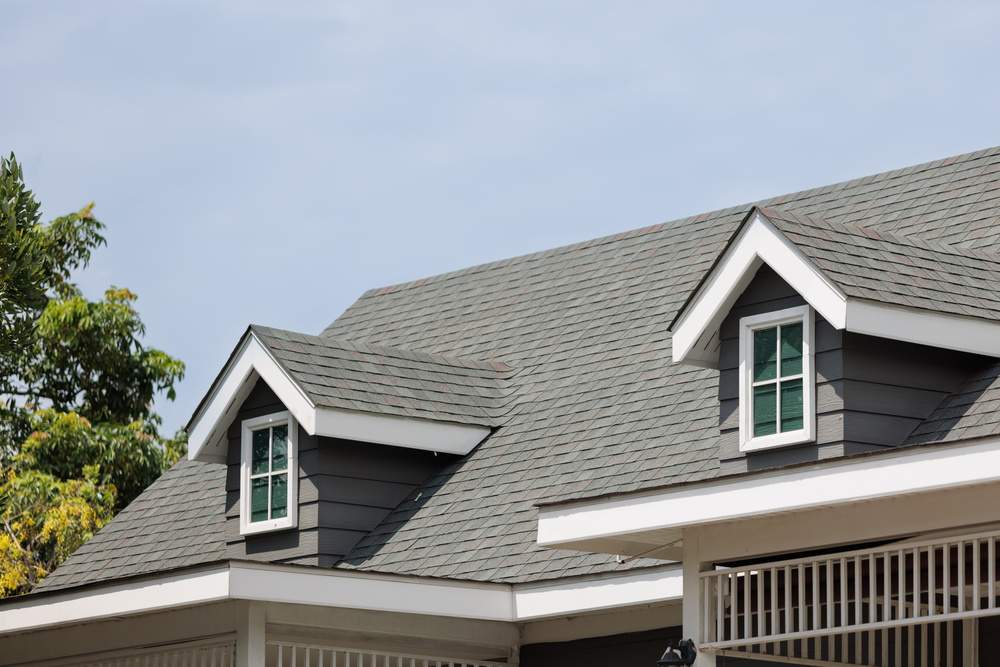
Some signs of poor roof installation often appear as shingles aging unevenly across the roof surfaces. Poor workmanship, missing shingles, or incorrect fastening of the first course can leave vulnerable areas exposed to high winds, strong winds, and wind-driven rain.
Roof decking errors may cause shingles to lift or crack, accelerating roof damage and allowing moisture to reach the attic. During inspections, we frequently find inexperienced roofers overlooking preparation steps during roof construction, creating long-term risks and expensive repairs.
Moisture Showing up in the Attic or Upper Walls
Water intrusion from roofing mistakes commonly shows up as frost, mold growth, damp insulation, or staining in the attic space or walls. In the Upper Midwest, trapped moisture expands and contracts with heat, cold, and changing weather, increasing the risk of further damage to the roof structure.
From our standpoint, this is a clear sign that a professional roof inspection is needed to determine whether targeted repairs or a full replacement plan is necessary to protect the house.
What to Check Next and When to Plan Corrections
Once early warning signs occur, the next step is understanding what to evaluate and how quickly action should be taken. These checks help homeowners prevent direct water exposure and additional water damage during heavy rain, snow, or ice events.
Evaluate Ventilation and Insulation as a System
Ventilation issues are rarely isolated in cold climates. Properly balanced ventilation systems, effective attic insulation, and controlled air leakage work together to regulate warm air movement and prevent uneven snow melting.
Addressing these factors early supports better roof maintenance outcomes and protects siding panels, the fascia board, and the gutter system from moisture-related failure.
Inspect How Roofing Details Interact with Siding
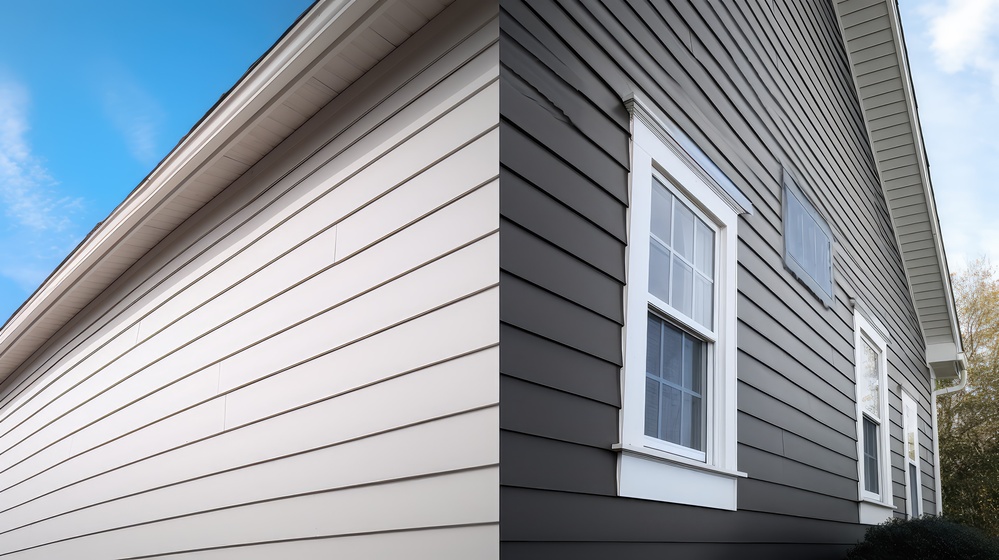
How bad roofing affects siding systems often becomes visible after moisture reaches behind siding panels or trim. Improper metal flashing, missing drip edge, or failing gutters can direct water toward the house structure, especially during heavy rain or strong winds.
Coordinated corrections reduce water intrusion risks and help safeguard the home’s exterior from long-term deterioration.
Decide Between Repair Timing and Full Replacement Planning
Not every issue requires immediate roof replacement, but delaying decisions during winter can worsen outcomes.
After a thorough roof inspection, we help homeowners determine whether targeted roof repair can stabilize problem areas or if proactive replacement before the next season is the smarter option. Early planning prevents emergency repairs, limits interior damage, and protects the rest of the home.
Schedule a Professional Roof Evaluation
If you are noticing winter-related roofing issues in your Twin Cities home, now is the time to act before sun, rain, and thaw cycles combine with ice to cause further damage.
At Twin Cities Siding and Roofing, we provide a professional evaluation to determine whether ventilation adjustments, repairs, or replacement are needed, and our free estimate helps you understand your roof’s condition before small issues turn into costly problems. You can also speak directly with our team by calling 651-360-2542.
Frequently Asked Questions
What are the most common signs of poor roof installation in Minnesota homes?
Poor installation often shows up as recurring ice dams, uneven shingle wear, leaks, attic moisture, or noticeable drafts. In Minnesota, these issues are usually tied to improper flashing, ventilation, insulation, or nailing rather than defective materials. Extreme freeze-thaw cycles make installation mistakes surface faster and cause accelerated damage.
Can improper roof installation really affect siding and other exterior components?
Yes, roofing installation errors can allow water to run behind siding, fascia, and trim instead of safely draining away. Over time, this moisture can lead to rot, mold, and premature siding failure, especially in Minnesota’s freeze-thaw conditions. Roofing and siding function as one exterior system, so problems in one often affect the other.
Is it possible to fix installation problems without replacing the entire roof?
In many cases, early-stage issues can be corrected with targeted repairs such as flashing replacement, ventilation upgrades, or sealing problem areas. These fixes can stop further damage and extend the roof’s lifespan when the shingles are still in good condition. A professional inspection is the best way to determine if repairs are sufficient or if replacement planning is needed.
When should a homeowner schedule a roof inspection in Minnesota?
Schedule a roof inspection if you notice leaks, ice buildup at the eaves, attic moisture, or sudden changes in indoor comfort. Minnesota weather can quickly turn small issues into costly damage if left unchecked. Early inspections help protect both the roof and the rest of your home’s exterior.