When severe weather strikes the Twin Cities, quick action can make all the difference in preventing further roof damage. Emergency roof tarping provides immediate protection for homes affected by high winds, hail, or fallen debris—buying valuable time before roof restructuring can begin. In Minnesota’s unpredictable climate, knowing when and how to tarp a damaged roof can help protect your home’s structure, interior, and long-term investment.
Homeowners often face heavy rain, flying debris, and fallen tree limbs during a severe storm, so having access to professional roof tarping services ensures safety and temporary protection until complete repairs are made.
Key Takeaways
- Emergency tarping helps prevent water intrusion and structural damage after a storm.
- Temporary roof coverings minimize repair costs until full restoration is possible.
- Acting quickly with professional help can protect your insurance claim and peace of mind.
- Proper follow-up steps ensure the roof stays secure until the roof repair is complete.
How Emergency Tarping Prevents Further Roof Damage for Twin Cities Homes
Emergency tarping provides homeowners with a critical first line of defense after a storm. When installed properly, a roof tarp seals the roof from additional rain, snow, or debris infiltration—protecting both the structure and the living spaces inside.
The following aspects show how professional tarping minimizes long-term damage in Minneapolis, Eagan, and the greater Twin Cities area, helping prevent water stains, mold growth, and costly repairs that often follow heavy snowfall and strong winds.
Preventing Water Intrusion and Interior Damage
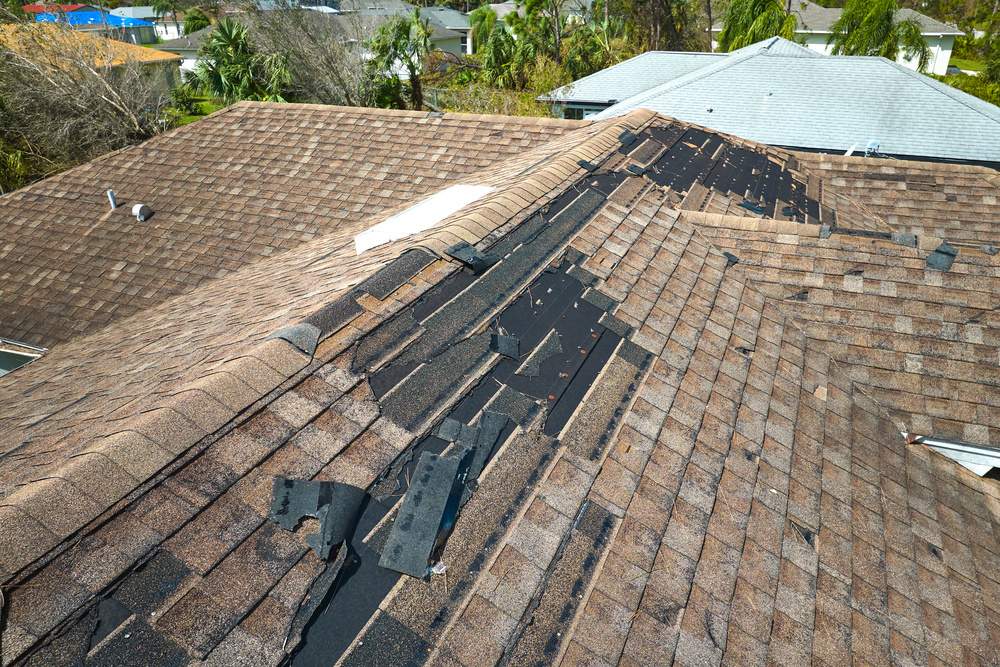
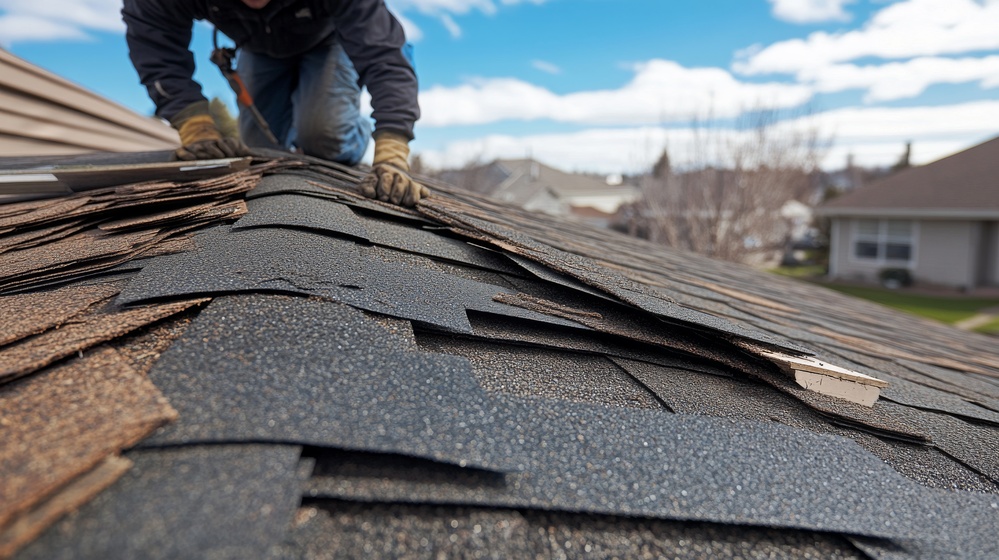
When shingles are torn away by wind or punctured by hail, even a brief exposure can allow water to seep into attic insulation and drywall.
Professional tarping covers the compromised area completely, preventing moisture from spreading through ceilings and walls. This is especially vital for Twin Cities homeowners during fall and spring storms when rainfall is heavy and unpredictable.
Once protected, our team can assess which roofing work is necessary: roof repair or a full replacement. A waterproof tarp prevents further water damage and maintains a watertight seal until the next storm passes, keeping your living space safe and secure.
Stabilizing Roof Structure After High Winds
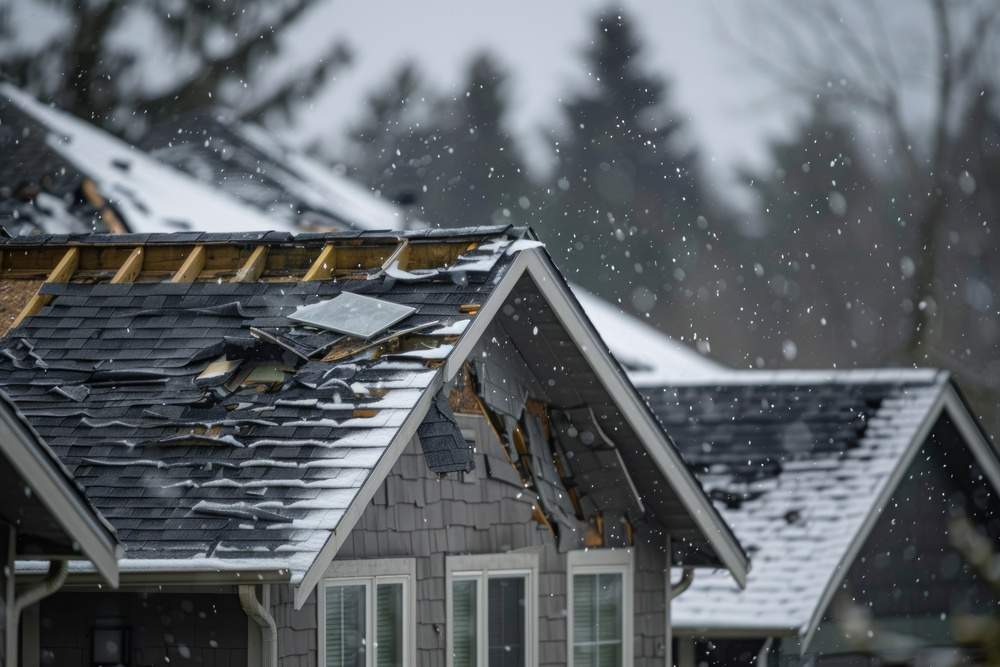
Windstorms across Minneapolis and St. Paul can loosen decking or ridge caps, making a roof unstable. Emergency tarping anchors securely over these areas to reduce further shifting or damage until a full roof maintenance plan can be implemented.
Our service ensures no additional strain is placed on rafters or trusses during gusty conditions—critical for preserving your home’s integrity until full repairs or even shingle replacement occur.
By reinforcing roof decking and exposed weak spots, we help Minnesota homeowners avoid structural integrity issues and prevent the need for complete roof replacement.
Protecting Property and Insurance Claims
Immediate tarping not only safeguards your home but also demonstrates diligence to your insurer. In Minnesota, prompt response helps protect coverage eligibility for storm and weather damage claims. Our technicians document the process with photos and notes to streamline communication with your provider.
This proactive approach supports both residential and commercial roof owners seeking to prevent secondary damage that may not be covered if tarping is delayed.
What to Do After Tarping and Before Repairs Begin
Once your roof is temporarily protected, the next phase focuses on evaluation and preparation. This period is essential for ensuring safety, planning restoration, and preventing further deterioration before a lasting solution is carried out.
Homeowners across the Twin Cities area must also check nearby siding, gutters, and insulation for signs of hidden damage or water intrusion caused by ice dams, fallen tree branches, or flying debris.
Schedule a Professional Roof Inspection
After a tarp is in place, a certified inspection helps determine the extent of damage beneath it. For Twin Cities homeowners, this step identifies hidden issues like soaked underlayment or compromised flashing that may worsen in freezing temperatures.
A comprehensive roof inspection also gives you a clear picture of repair timelines and costs, allowing your contractor to recommend whether metal roofing upgrades or new materials would improve long-term resilience.
Inspections can reveal missing shingles, roof penetrations, and other hazards that compromise your roof’s structural integrity and the safety precautions needed for safe completion.
Coordinate with Your Insurance Provider
Before any restoration begins, notify your insurance adjuster of the emergency tarping and provide all documentation. Minnesota policies often require proof that reasonable steps were taken to prevent additional damage.
Having detailed records—including contractor reports and photos—ensures your claim covers both temporary and permanent work, including siding repair or gutters if affected by the same storm.
Quick coordination with your insurance company reduces delays and ensures you can move forward with permanent repairs and the proper roofing professional handling your damaged roof efficiently.
Prepare for Full Roof Restoration
Once insurance approvals are complete, schedule timely repairs or replacement. In our region’s variable climate, delaying restoration after winter storms increases the risk of leaks during spring thaws. Our Twin Cities team provides full-service solutions, including siding replacement and insulation upgrades, to restore energy efficiency and protection.
By planning quickly, homeowners can avoid extended exposure and secure a durable, weather-tested roof system.
Keep Your Roof Ready for Every Minnesota Weather Challenge
If your home has suffered storm damage, don’t wait for small leaks to become major problems. Twin Cities Siding and Roofing offers professional free estimate services to evaluate damage and install secure, temporary tarping fast.
For personalized service and expert guidance, contact our team today at (651) 360-2720. We’ll inspect, document, and repair your roof using trusted GAF materials—restoring strength, appearance, and peace of mind for your Minnesota home.
Frequently Asked Questions
How long should an emergency tarp stay on a roof?
A tarp can remain in place for several weeks, depending on weather conditions and the extent of the roof damage. Homeowners should schedule permanent repairs promptly to avoid water intrusion or structural damage beneath the covering. Professional tarping services in the Twin Cities ensure your temporary solution lasts through heavy rain and strong winds.
Does my insurance cover emergency tarping in Minnesota?
In most cases, yes. Homeowners’ insurance policies often include reimbursement for emergency tarping insurance in Minnesota when used to prevent further loss after storm damage. Contact your insurance company immediately after a severe storm to document your claim and ensure complete repairs are covered.
Can I tarp my own roof after a storm?
DIY tarping is risky, especially on steep or damaged roofs. Without the right safety gear or roofing cement, attempting to tarp your own home can create safety hazards and expose weak spots. Hiring a licensed Twin Cities roofing professional ensures all work is completed safely and provides reliable roof tarping services.
What if water is already leaking inside my home?
Contain leaks using buckets or towels to prevent water damage to your living space, then call a professional immediately for assessment and emergency roof tarping. Quick response helps prevent mold growth, hidden damage, or structural integrity issues. Professional repairs provide a permanent solution and protect your home from future heavy rain or ice dams.