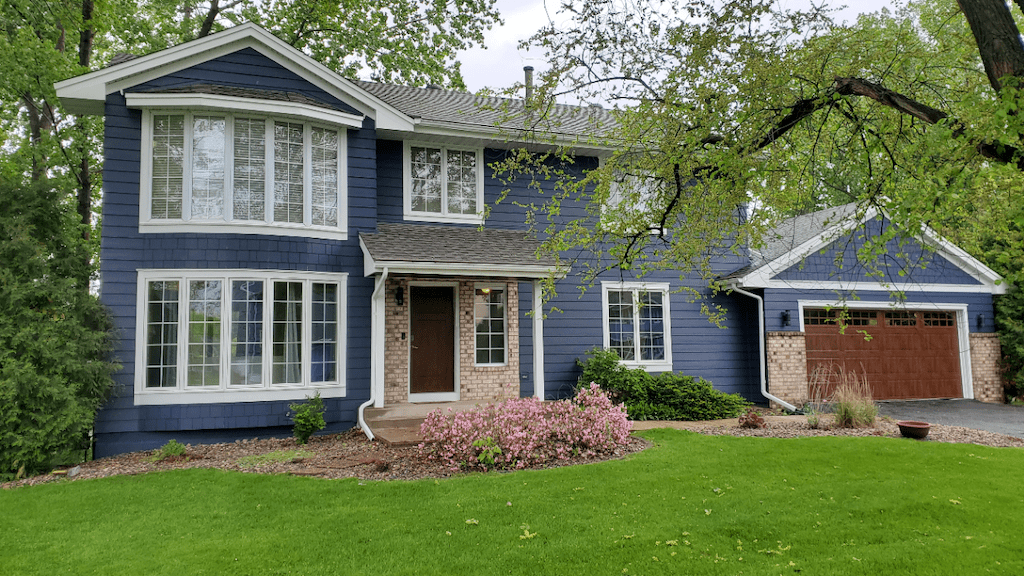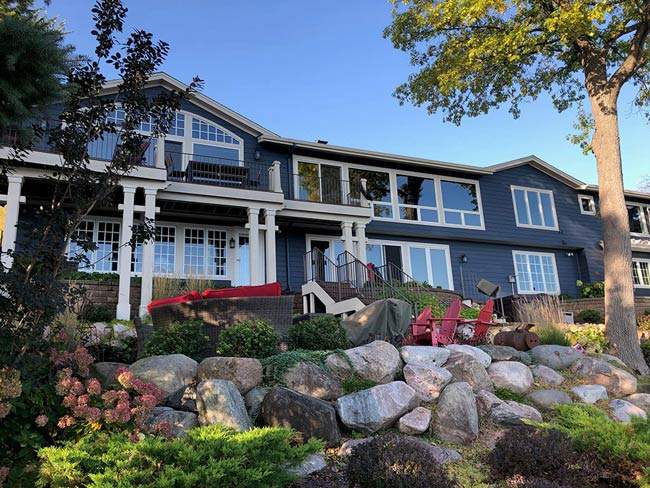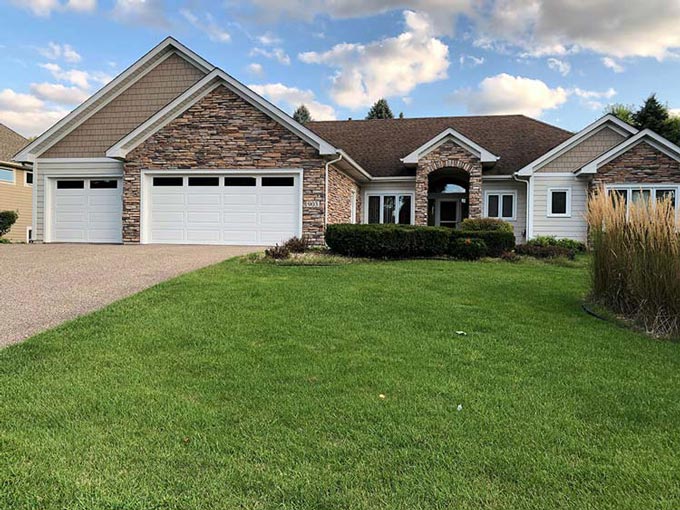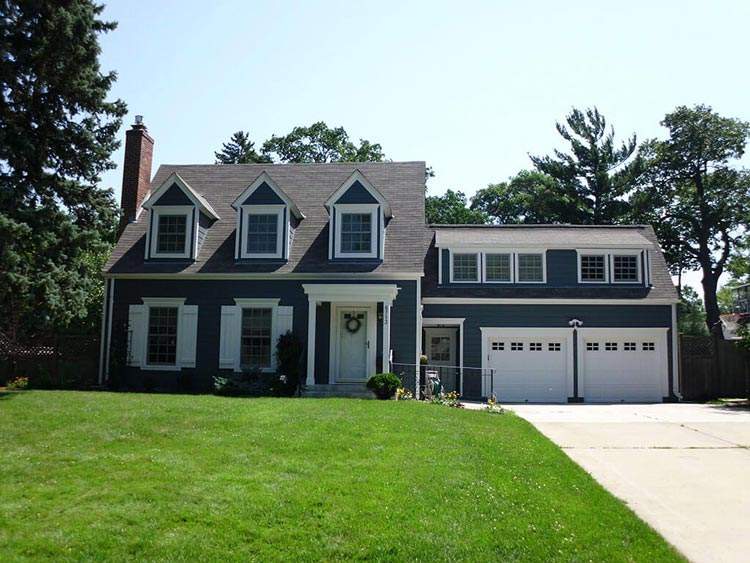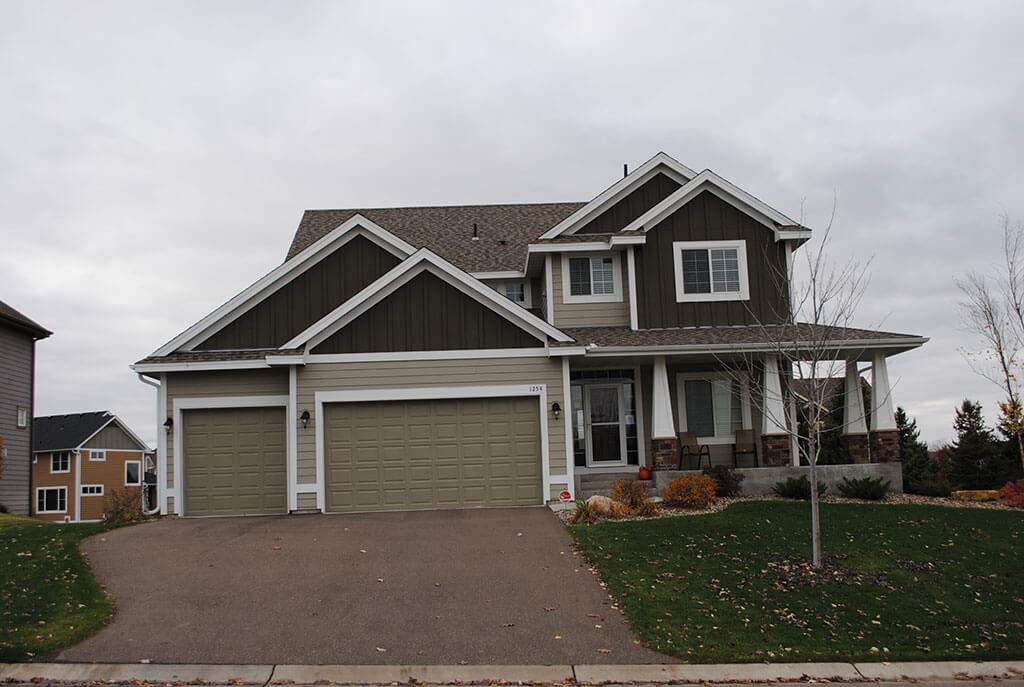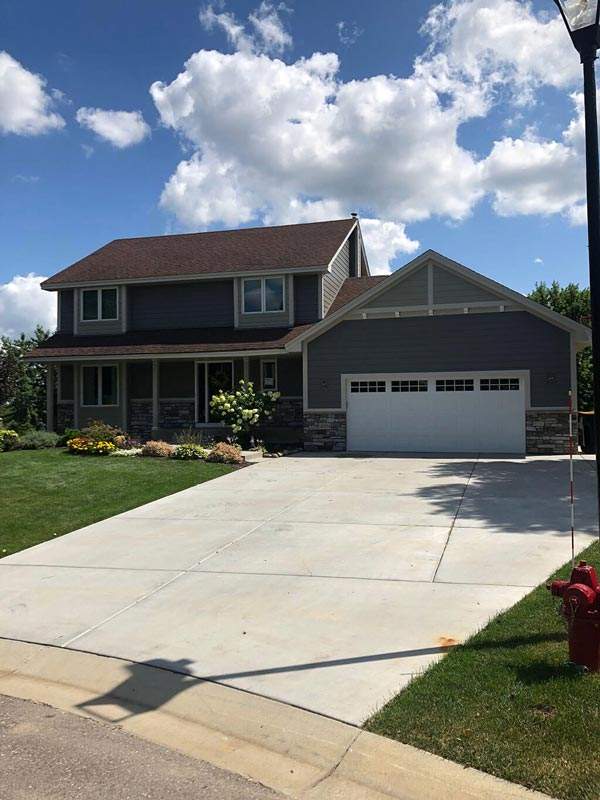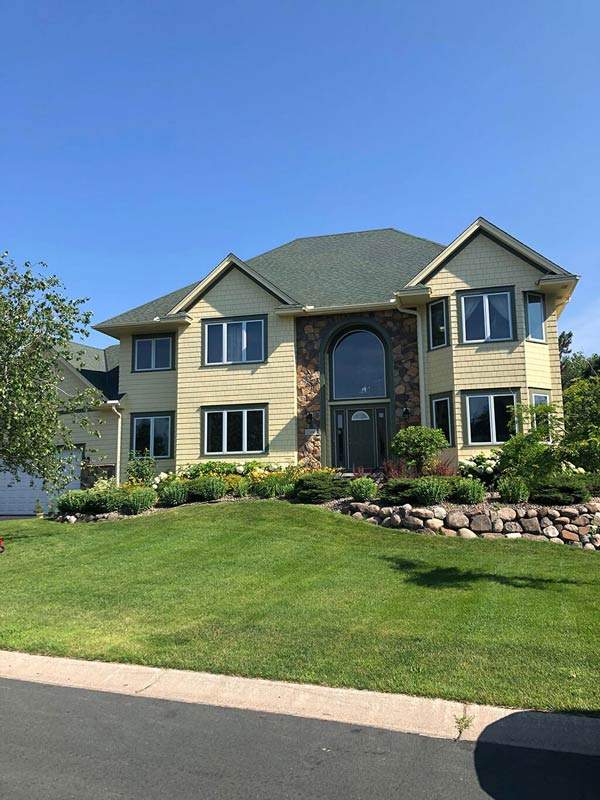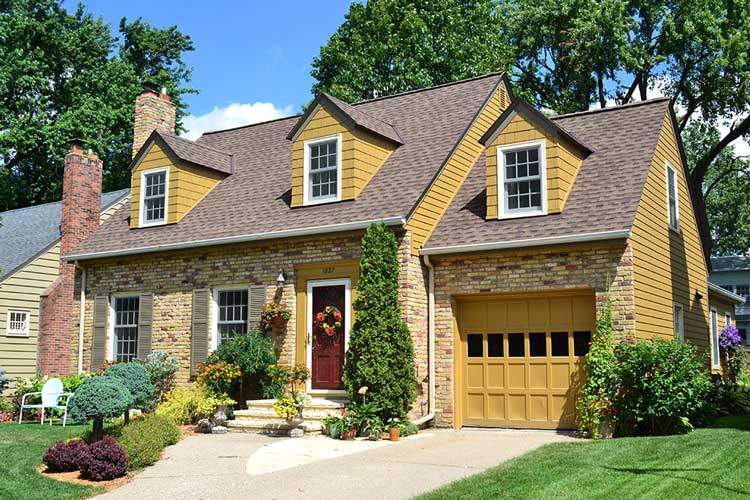

When you picture a timeless Minnesota home—whether it’s a colonial-style house in St. Paul or a newer build in the suburbs—there’s a good chance it has a gable roof. Known for its triangular shape and sloping sides, the gable roof has been trusted by Twin Cities homeowners for generations.
In this blog, we’ll explore what makes the gable roof such a smart choice for our climate, how it’s built to withstand local weather, and the features that keep it at the top of homebuyers’ wish lists.
Key Takeaways
- A gable roof has two sloping sides meeting at a peak and suits Minnesota homes in cold, snowy climates.
- Local gable roof designs feature strong framing, durable materials, and ventilation to prevent wind, snow, and moisture problems.
- Homeowners value gable roofs for their style flexibility, more attic space, snow control, and better year-round ventilation.
- Expert local installation provides gable roofs with lasting beauty, dependable strength, and reliable performance through Minnesota’s harsh seasons.
What is a Gable Roof?
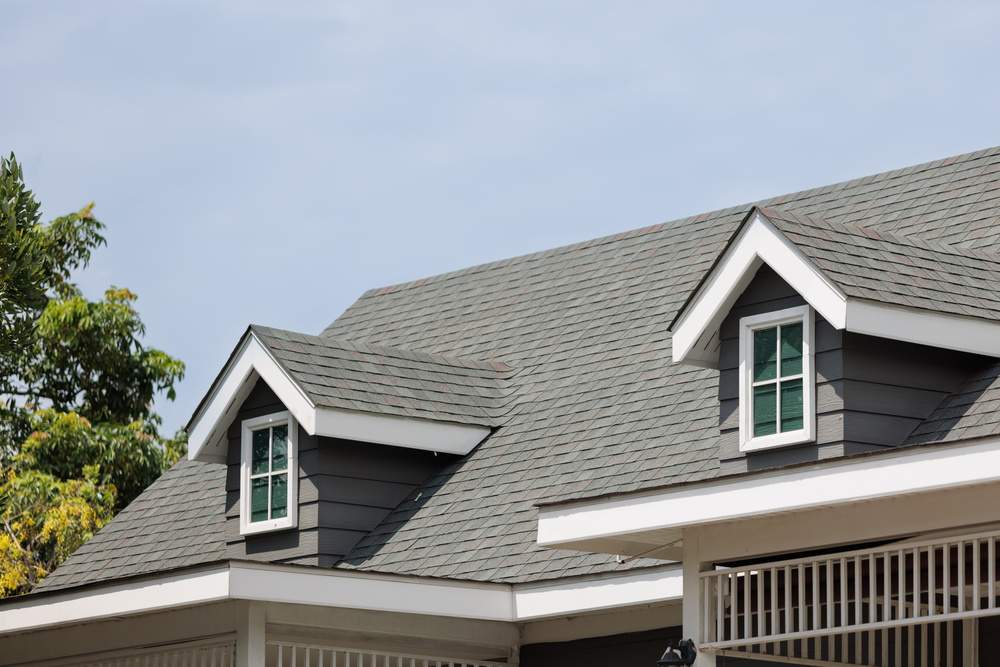
A gable roof is a classic roof type defined by two sloping sides that meet at a single peak, creating triangular vertical ends known as gable ends.
In the Twin Cities, this traditional roof style is built for performance in cold climates. The steep pitch and sloping sides shed snow efficiently, keeping heavy loads from stressing your house structure.
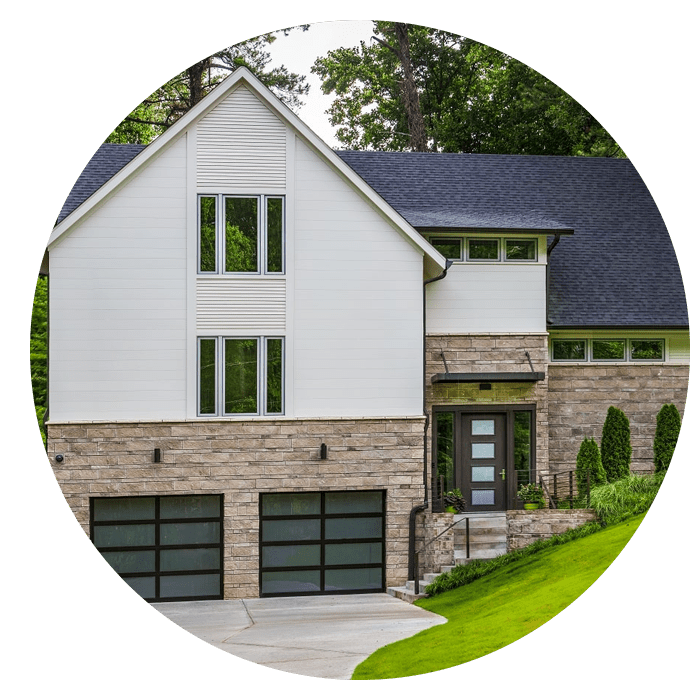
From colonial-style homes to modern builds in the suburbs, it remains commonly found because it handles the local seasonal challenges while maintaining timeless curb appeal.
Each form adapts well to both rectangular shape and square structure layouts.
How Gable Roof Designs Work in the Twin Cities
In the Twin Cities, a well-built gable roof is a combination of structural precision and weather-focused planning.
Here’s how each part works together to create a resilient, Minnesota-ready roof.
Framework and Pitch
The framework of a gable roof relies on precise engineering to create the right steep pitch for snow and ice management. In areas like Bloomington, the sides slope downward at an angle that encourages snow to slide toward the eaves, keeping the ridge and roof sides clear.
Builders often use diagonal bracing for stability, especially on homes with two different slopes or different heights in their roof designs.
Weather-Resistant Underlayment and Roofing Materials
Below the shingles, a high-quality weather-resistant underlayment protects against wind damage and ice dams.
In the Twin Cities, where winter moisture is a constant concern, pairing synthetic underlayment with durable roofing materials ensures long-lasting performance. Whether the home features a box gable, half-hip roof, or even a flying gable roof, using the right products is critical.
We often recommend GAF roofing products, known for their exceptional durability and performance in Minnesota’s challenging freeze-thaw cycles.
Ventilation Through Gable Ends and Gable Vents
Proper ventilation keeps attic space dry and functional.
Gable vents in the vertical ends allow air to circulate from one side of the house to the other two sides, balancing temperature and moisture.
Some local roof installations add ridge vents for extra ventilation—important for reducing condensation during humid summers and preventing ice buildup in winter.
Structural Reinforcement for Wind and Form Stability
Gable roofs can be more vulnerable to high winds, particularly in open country or east-facing homes exposed to storms.
Diagonal bracing and reinforced sheathing secure the form of the roof so that the sides meet evenly and withstand strong gusts. This is especially critical for homes with two gable roof lines or designs that incorporate dormers or porches.
Our certified installation team follows strict Minnesota building standards to ensure every gable roof is secure, balanced, and built for lasting performance.
Features Twin Cities Homeowners Love About Gable Roofs
For many Twin Cities homeowners, the appeal of a gable roof goes beyond its simple design. Here are some of the standout features that make it a smart choice for Minnesota living.
Versatility Across Roof Types and Styles
From open gable layouts in New England–inspired designs to pyramid roof or mansard roof accents on modern builds, gable roof advantages include compatibility with many roof styles.
They blend well with both East Coast architecture and Minnesota’s suburban homes, and can even be paired with vaulted ceilings for dramatic interiors.
Maximizing Space and More Attic Space
A gable roof often creates more attic space compared to a lower-angle roof type.
In historic homes along Summit Avenue, this has allowed for full attic conversions, while in newer Woodbury builds, it means extra storage space without altering the exterior.
Snow and Ice Management in Cold Climates
With their two sloping sides, gable roofs handle snow better than many alternatives.
The slope directs snow toward the eaves and gutters, preventing buildup on the flat surface portions of the roof and reducing the risk of leaks along walls or dormers.
Enhanced Ventilation for Better Home Performance
Gable roofs support better ventilation, whether through gable vents, ridge vents, or a combination. The extra ventilation helps maintain a consistent cooler attic temperature, lowering the chance of moisture damage.
Build a Gable Roof Designed for Minnesota Living
If your home search includes a roof style that’s functional and durable, a gable roof offers both simple design and long-term reliability.
At Twin Cities Siding and Roofing, we design and install every type of gable—from box gable roof to Dutch gable roof—with premium materials and expert craftsmanship. With over 29 years of experience and more than 6,000 completed projects across Minnesota, we’ve built a reputation for delivering roofs that perform as well as they look.
Serving Minneapolis, St. Paul, and surrounding suburbs, we ensure your roof is ready for snow, high winds, and everything in between.
Call (651) 571-9557 to schedule your free estimate today.
Frequently Asked Questions
What are the different types of gables found in Minnesota homes?
The main types of gables include front gable, cross gable, Dutch gable, and box gable. We help homeowners choose styles that balance curb appeal, function, and weather readiness for Minnesota conditions.
What are the main gable roof advantages for Minnesota homeowners?
Key gable roof advantages are efficient snow shedding, better ventilation, and versatile styling. Our installation process ensures these benefits are fully achieved using durable materials tailored for the Twin Cities climate.
How can gutters be optimized for a gable roof design?
Gutters on a gable roof need correct sizing and slope for water control. We install seamless systems that handle Minnesota’s heavy rain and snowmelt while protecting siding, foundations, and landscaping year-round.
Can a gable roof be combined with other roof styles?
A gable roof can integrate with hip, shed, or mansard sections for a unique look. We design these combinations for strong weather performance and architectural harmony on Minnesota homes.