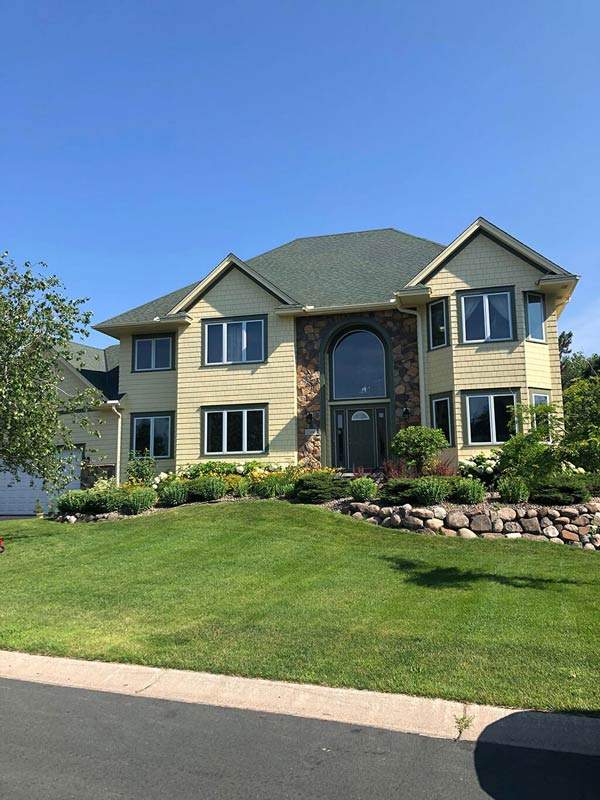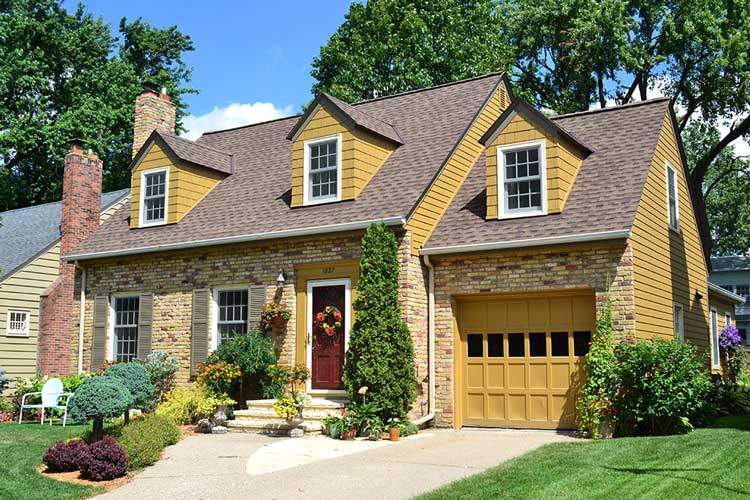
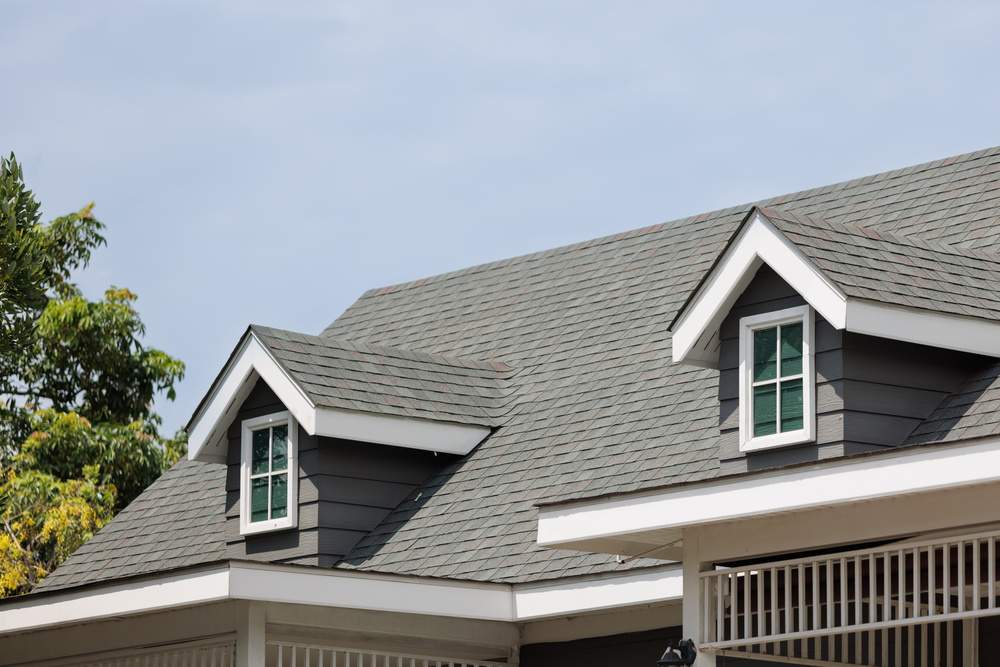
Minnesota summers put steady stress on asphalt roofing systems. In Twin Cities, MN, heat-related shingle rippling often develops during hot, humid stretches.
As temperatures rise, shingles expand and soften, which can create visible surface distortion. If ignored, this can reduce roof performance and lead to repairs.
Early signs include slight waves or uneven roof lines. These changes often point to ventilation issues, installation errors, or aging materials. Catching heat damage early helps prevent more serious problems.
Key Takeaways
- Asphalt shingles can ripple in hot weather due to thermal expansion and trapped heat within the roofing system.
- Poor roof ventilation accelerates heat buildup and increases the risk of shingle distortion and premature aging.
- Early heat damage often appears as subtle waves or uneven roof lines.
- Timely inspections during and after summer heat help prevent major repairs.
How to Reduce Heat-Related Shingle Rippling in Twin Cities Homes
High summer temperatures in Minnesota can impact roofing performance more than most homeowners expect. Taking preventive steps early helps reduce long-term damage and maintain roof stability.
Improve Roof Ventilation for Heat Control
Proper ventilation helps manage attic temperatures during hot summer conditions. Trapped hot air raises shingle surface temperatures and increases thermal expansion in asphalt shingles. Balanced intake and exhaust airflow regulate heat and reduce stress on roofing materials.
Choose Quality Asphalt Shingles Designed for Heat Resistance
Shingles vary in how they handle prolonged heat exposure. Higher-quality asphalt shingles resist deformation and perform better during temperature swings. Choosing durable materials lowers the risk of roof shingles buckling in summer conditions.
Ensure Proper Installation Techniques
Installation directly affects how shingles respond to heat. Incorrect nailing patterns or tight spacing restrict natural expansion, leading to rippling or buckling. Proper installation allows controlled movement without weakening the roof system.
Monitor Attic Insulation Levels
Attic insulation controls how much heat enters the home from above, especially during peak afternoon sun common in Minnesota summers. Inadequate insulation allows radiant heat to move downward, increasing roof deck temperatures from below. Proper insulation reduces that upward heat pressure and helps shingles maintain a more stable shape.
Schedule Routine Roof Inspections
Routine inspections help identify early signs of heat damage before they worsen. In Minnesota, repeated heat waves followed by spikes in humidity can accelerate shingle stress. A roofing professional can assess the condition of materials, surface changes, and early deformation caused by these seasonal patterns.
When to Inspect Your Roof After Minnesota Summer Heat
Seasonal heat patterns create key inspection windows for homeowners. Checking your roof at the right time helps catch issues early and reduces repair costs.
Inspect After Prolonged Heat Waves
Extended high temperatures place continuous stress on roofing systems. After a heat wave, shingles often show softening or distortion. Inspecting at this stage helps identify signs of heat damage before it spreads.
Check for Sudden Temperature Drops
Rapid cooling after extreme heat forces materials to contract quickly. This shift can worsen existing ripples or create new stress points. Checking your roof after temperature swings helps uncover hidden issues.
Evaluate Roof Condition at the End of Summer
Late summer reveals how well roofing materials handled seasonal heat. Ongoing issues such as asphalt shingle thermal expansion or warping become easier to spot. This timing allows for a more thorough evaluation.
Look for Visual Signs From Ground Level
Many early warning signs are visible from the ground. During late summer in Minnesota, prolonged sun exposure can make rippling more noticeable along rooflines. Uneven edges or surface waves often signal developing issues that benefit from early attention.
Schedule a Professional Inspection Before Fall
A professional inspection before cooler weather helps prepare your roof for seasonal changes. Identifying when to replace heat-damaged asphalt shingles prevents further deterioration during fall and winter cycles.
Stop Heat-Related Shingle Damage Before Minor Ripples Become Costly Roof Repairs
Twin Cities Siding and Roofing understands how quickly minor shingle rippling can turn into larger roofing concerns after sustained summer heat. Addressing these issues early protects your home’s structure and long-term performance while helping you avoid more extensive repairs.
If you have noticed changes in your roof’s surface or want a professional evaluation, contact us to schedule a professional assessment to keep your roof performing the way it should.
Frequently Asked Questions
What causes asphalt shingles to ripple in hot weather?
Heat causes asphalt shingles to expand and soften, especially when attic ventilation is insufficient. This thermal movement creates visible waves or distortions. Repeated expansion and contraction can weaken the roofing system and reduce long-term performance.
What are the early signs of heat damage on asphalt shingles?
Early signs include subtle rippling, uneven roof lines, and slight lifting at shingle edges. These changes often appear after extended heat exposure. Identifying them early helps prevent more serious roofing damage.
How does roof ventilation affect shingle lifespan?
Proper ventilation reduces heat buildup in the attic and helps shingles maintain their shape. Without airflow, excessive heat accelerates aging and increases the risk of deformation. Balanced ventilation supports longer-lasting roofing performance.
When should heat-damaged asphalt shingles be replaced?
Replace shingles when rippling, cracking, or granule loss becomes consistent. Damage that affects large sections or weakens waterproofing often requires replacement. A professional inspection helps determine the right timing for repairs or full replacement.