Living in the Twin Cities and Central Minnesota means your roof faces conditions that many parts of the country never experience. Asphalt shingles and asphalt roofing shingles rely on shingle granules as a protective layer that shields the underlying asphalt from UV rays, moisture, and fire resistance concerns. When roof shingle granules begin to loosen or wash away, the roofing system loses part of its protective coating.
Some granule loss is completely normal, especially on newly installed roofs or a new asphalt roof, but excessive granule loss or premature granule shedding is often an early warning sign of roof damage that should not be ignored.
Homeowners often first notice loose granules collecting in their gutters or at the base of downspouts. Others spot bald spots, exposed shingles, or cracked shingles during routine yard work. Understanding the causes and signs of roof granule loss on Twin Cities roofs helps homeowners identify when granule loss becomes a concern, protect the roof’s lifespan, and avoid costly repairs or premature roof replacement.
Key Takeaways
- Shingle granules protect asphalt roof systems by shielding the underlying asphalt and extending the roof’s life.
- Severe weather in Minnesota can accelerate granule loss through freeze-thaw cycles, hail, wind, and heavy snow loads.
- A few granules in your gutters can be completely normal, especially on newly installed roofs or an aging roof.
- Significant granule loss, widespread granule loss, or bald patches often signal the need for roof inspections or roof repair.
- Regular roof maintenance and evaluation by an experienced roofing professional help protect your roof and reduce water infiltration risks.
How Minnesota Weather Causes Roof Granule Loss
Minnesota weather is demanding on roofing materials. Severe storms, UV rays, and seasonal temperature swings place stress on asphalt roof systems and roofing materials, which is why many homeowners schedule a professional roof inspection after harsh winters or storm damage events.
Freeze-Thaw Expansion Stress
Repeated freeze-thaw cycles in the Twin Cities region cause asphalt shingles to expand during warmer daytime temperatures and contract overnight. Over time, this movement weakens the bond between roof shingles and protective granules, allowing loose granules to dislodge and exposing underlying layers of asphalt roofing shingles during rain or snowmelt.
Hail Impact and Severe Storms
Hailstorms common across Central Minnesota dislodge granules and damage shingles even when cracks are not immediately visible. This form of storm damage reduces fire protection, exposes the underlying asphalt, and may eventually require targeted roof repair to maintain the integrity of the roofing system.
High Winds and Wind-Driven Debris
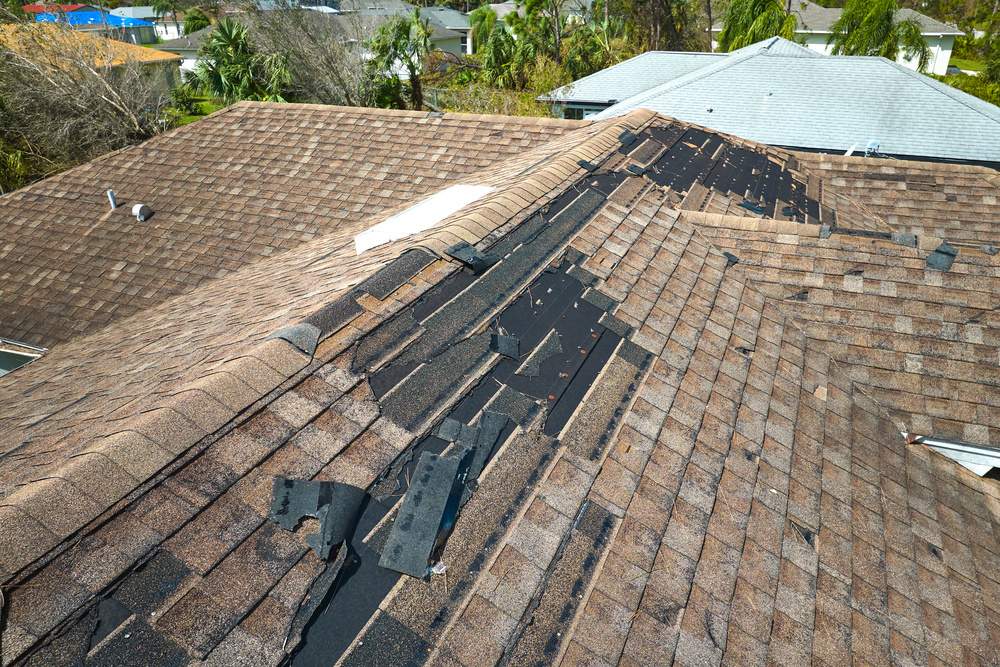
High winds lift and flex shingles while debris scrapes the shingle surface. Over time, this wear and tear dislodges granules, creates significant bald patches near ridgelines, and accelerates granule loss on affected shingles.
Heavy Snow Loads and Ice Dams
Heavy snow loads place ongoing pressure on asphalt roofing shingles. Ice dams trap moisture against the roof, weakening the protective granules and protective layer as water refreezes and melts. In older systems, this pattern shortens the roof’s lifespan and may contribute to widespread granule loss and, in some cases, the need for full roof replacement.
Foot Traffic During Seasonal Maintenance
Foot traffic from snow removal or exterior coating inspections can dislodge granules, especially when shingles age and become brittle. Over time, repeated foot traffic can accelerate granule loss and influence long-term roof installation or replacement planning.
When Granule Loss Signals Inspection or Repair Timing
Not all granule loss means immediate roof replacement. The key is recognizing visible signs that indicate when the loss of granules has progressed beyond normal wear, especially for homes in communities such as Eden Prairie and Eagan, where seasonal exposure varies.
Granules in Gutters After Storm Events
Granules in your gutters after severe storms often indicate storm damage or premature granule loss. While a few granules may be normal, excessive accumulation suggests damage to shingles and a roofing system that should be inspected.
Bald Spots and Exposed Shingles
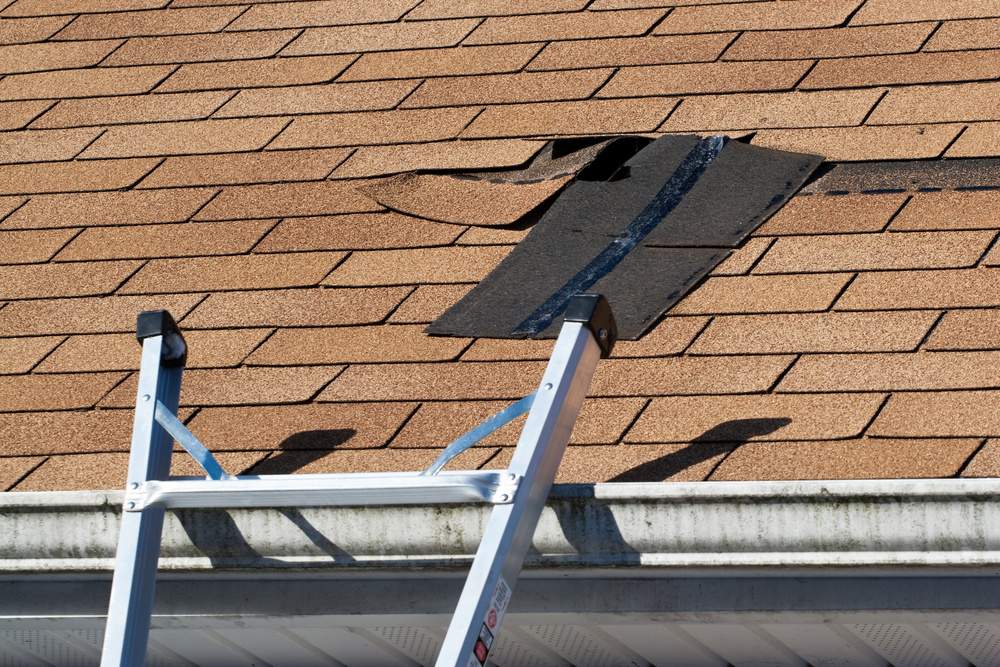
Bald spots, exposed shingles, or areas where the underlying asphalt is visible are clear warning signs of significant granule loss. These areas absorb heat, reduce fire resistance, and increase the risk of water infiltration.
Premature Loss on a New Asphalt Roof
Premature granule loss on newly installed roofs may indicate improper roof installation, poor-quality materials, or manufacturing defects. Early evaluation helps protect the roof’s life and ensures the roofing materials perform as intended.
Widespread Granule Loss on an Aging Roof
As shingles age, granule loss becomes more common. When granule loss is widespread across the asphalt roof, it often means the roof’s average lifespan is nearing its end, and roof replacement planning becomes necessary.
Interior Warning Signs Linked to Granule Loss
Water stains, a leaking roof, or interior moisture issues often indicate granule loss has already compromised the protective coating. At this stage, timely roof repair is essential to prevent costly repairs and further roof damage.
Roof Granule Loss Help for Twin Cities Homeowners
Roof granule loss is one of the earliest visible signs that your roofing system may need attention. The experienced team at Twin Cities Siding and Roofing understands roof granule loss causes and signs on Twin Cities roofs and how Minnesota weather impacts asphalt roofs. Through regular roof maintenance and professional evaluations, homeowners can protect their roof, extend the roof’s lifespan, and avoid premature roof replacement. If you have concerns, contact us to schedule an inspection.
Frequently Asked Questions
Is granule loss on roof shingles always a problem?
Granule loss is not always a cause for concern. A small amount of loose granules on an asphalt roof is normal over time. Problems arise when excessive granule loss, bald spots, or widespread granule loss appear, which often signal roof damage or aging shingles.
How do shingle granules protect an asphalt roof?
Shingle granules act as a protective coating that shields the underlying asphalt from UV rays, moisture, and fire exposure. These protective granules also help regulate roof temperature and extend the roof’s life.
Can roof repair fix granule loss?
Roof repair can address localized damage caused by storm impact, cracked shingles, or isolated areas of granule loss. When granule loss is widespread or tied to an aging roof, roof replacement may provide better long-term protection.
How often should roofs in Minnesota be inspected?
Roofs in the Twin Cities and Central Minnesota should be inspected annually and after severe storms. Regular roof inspections help identify loose granules, damaged shingles, and other warning signs early, protecting the roofing system and reducing long-term repair costs.