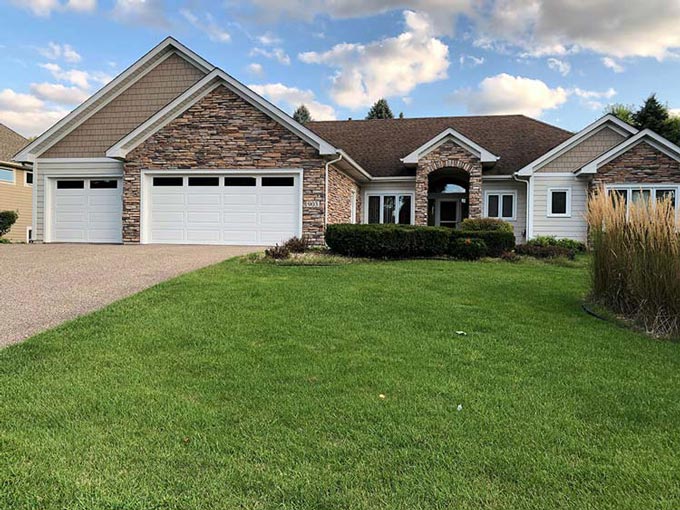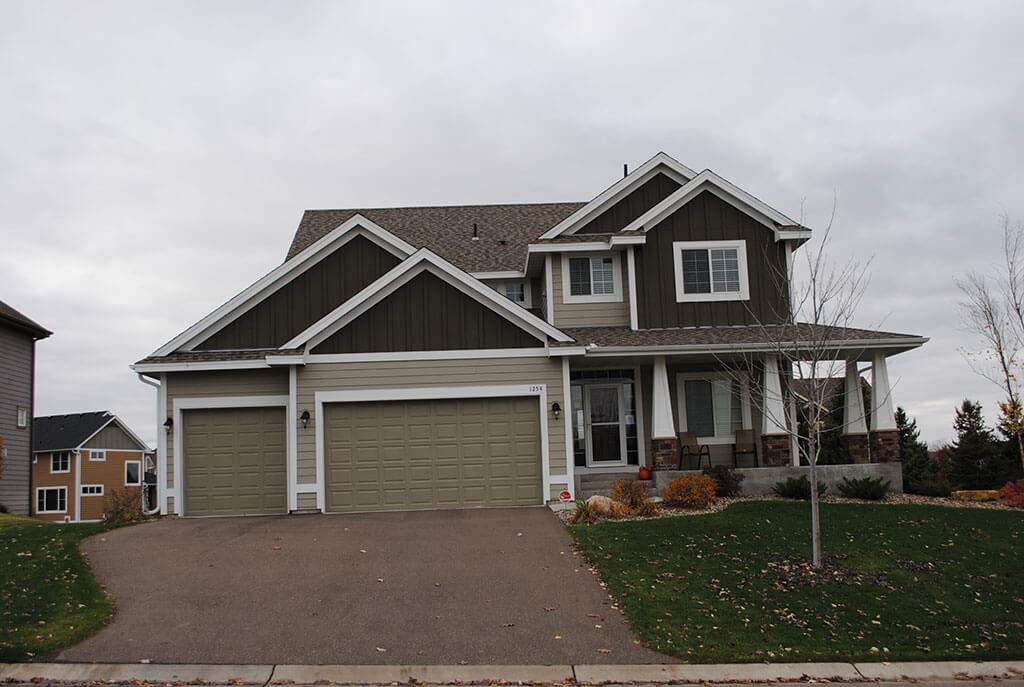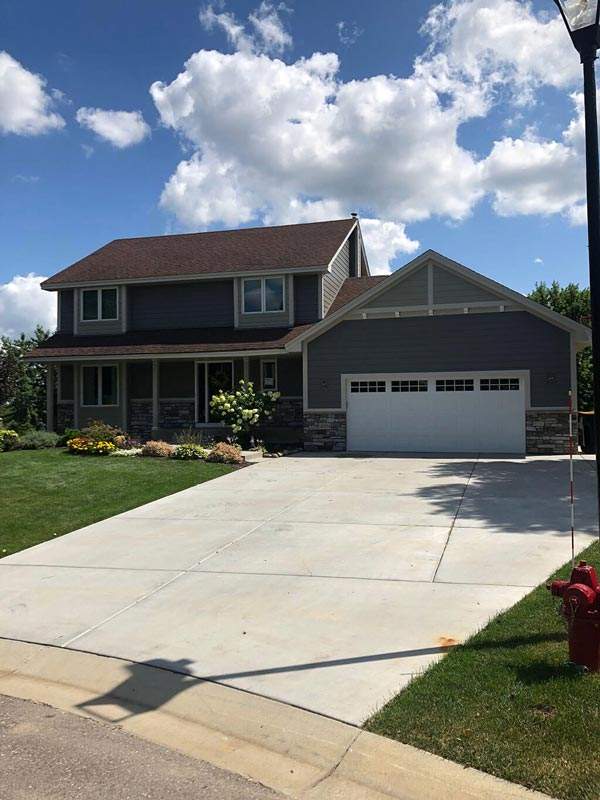
Hail damage to roofs and siding in Eagan, MN, remains a serious concern for Minnesota homeowners. Severe Dakota County storms can cause roof hail damage that is not visible from the ground. Many homeowners assume their roof is fine if they see no leaks. Hidden impact damage can weaken the roof’s protective barrier over time. As a local roofing contractor, we often uncover these issues after hail events in Eagan.
Key Takeaways
- Hail damage in Eagan often affects asphalt shingles in ways that are not immediately visible from the ground.
- Dented gutters, cracked vinyl siding, and granule loss usually indicate more severe impact damage throughout the roof system.
- A professional roof inspection after a Minnesota hailstorm helps prevent leaks and interior water damage.
- Promptly reporting damage to your insurance provider improves the claims process and reduces the number of denied storm claims.
How Hail Really Affects Roofs and Siding in Eagan Homes
Hail impact affects exterior systems differently depending on the material and storm intensity. Minnesota weather patterns make small-impact damage more severe over time. Without a proper inspection, minor issues can quickly escalate into expensive repairs that later require extensive roof repairs across the system.
Bruised Shingles Can Compromise the Roof’s Protective Barrier
In Eagan, most homes use asphalt shingles designed to shed water and resist UV rays.
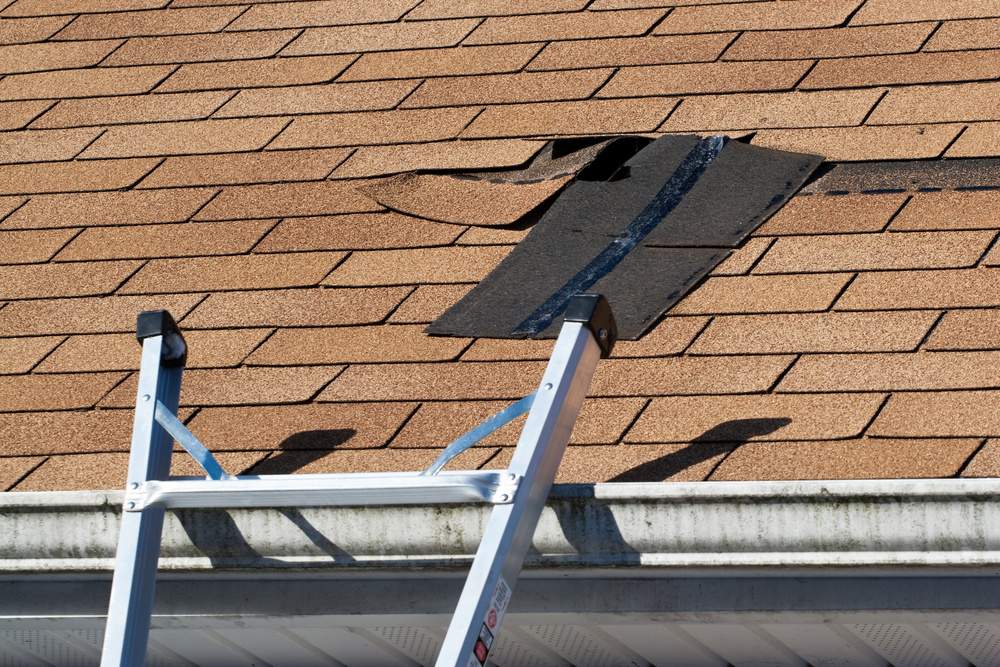
When hail strikes these shingles, it can bruise the underlying asphalt layer and loosen protective granules. Over time, those bruised areas reduce the roof’s ability to shed water during heavy Minnesota rainstorms and may eventually lead homeowners to consider a full roof replacement if deterioration spreads.
Granule Loss Exposes Underlying Asphalt to Faster Wear
Granule loss is common after strong hail events across the Twin Cities metro. When granules break away, the underlying asphalt becomes exposed to moisture, sun damage, and seasonal temperature swings.
This exposure shortens the roof’s lifespan and accelerates wear during harsh Minnesota winters, sometimes making professional roof installation the most practical long-term solution.
Impact Marks May Signal Hidden Structural Damage
Impact marks on shingles, flashing, or roof vents often signal deeper storm damage beneath the surface. Even if shingles remain in place, repeated hail events can stress the roof deck and fasteners.
Left unaddressed, this hidden damage may contribute to structural issues during future storms.
Dented Gutters and Downspouts Are Warning Signs
Dented gutters and downspouts are common after hailstorms move through Eagan.
Many homeowners assume these dents are cosmetic and unrelated to roof performance. In practice, they often indicate similar impact damage across the roof surface and drainage system.
Vinyl Siding and Wood Shingles React Differently to Hail
Vinyl siding on Eagan homes may crack or split after a strong hailstorm, especially along corners and seams.
Wood shingles can chip or fracture, allowing moisture to penetrate beneath the surface. Both materials require careful evaluation to determine whether targeted siding repair will protect the home long term without requiring full replacement.
What Eagan Homeowners Should Check After a Hailstorm
A careful post-storm inspection protects your investment and simplifies insurance documentation. Minnesota hailstorms often cause damage that is not obvious at first glance. Early attention reduces the risk of further damage during the next weather event.
Look for Visible Damage Around the Property
Walk around your home and examine siding, trim, and outdoor fixtures for visible damage. Check the ground for shingles or siding pieces that may have broken off during the storm. These visible signs help support storm claims with your insurance company.
Check Gutters and Downspouts for Dents or Separation
Inspect gutters and downspouts for dents, cracks, or loose connections. Dented gutters often reflect strong hail impact across the roof system. They may also indicate roof hail damage directly above those areas.
Examine Shingles for Dark Spots and Soft Areas
From a safe vantage point, look for dark spots or irregular patterns across the roof surface. Dark areas may indicate granule loss or bruising from impact. If you notice soft spots, schedule a professional inspection as soon as possible.
Watch for Interior Water Stains or Leaks
After hail events, monitor ceilings and attic spaces for signs of roof leaks. Water stains or peeling paint often indicate hidden damage above the living space. Addressing these issues quickly helps prevent costly repairs and mold growth.
Schedule a Professional Roof Inspection Promptly
Many Eagan homeowners underestimate how much damage hail can cause to roofing materials. A professional inspection documents impact marks and structural concerns for your insurance adjuster.
Acting quickly supports a smoother claims process and protects your roof.
Schedule Your Eagan Hail Damage Inspection Before the Next Storm Makes It Worse
Twin Cities Siding and Roofing delivers thorough, professional hail damage inspections for Eagan homeowners before small issues escalate into major repairs. Our team documents impact marks, granule loss, and hidden damage that can compromise your roof’s performance during Minnesota’s extreme weather cycles.
If you have noticed dents, cracks, or bruised shingles, take action now to protect your home and contact us to schedule your free estimate.
Frequently Asked Questions
How do I know if hail caused roof damage?
Hail damage often appears as bruised shingles, granule loss, or visible impact marks after a Minnesota hailstorm. You may also notice dented gutters or cracked siding around your property. A professional roof inspection confirms whether repairs or a full roof replacement are necessary.
Can small hail still cause serious damage?
Yes, even small hail can create bruises that weaken the roof’s protective barrier. Repeated hail events across the Twin Cities compound the damage and increase the risk of leaks. Minnesota homeowners should not ignore minor visible signs after a storm.
Will my insurance company cover hail damage repairs?
Most insurers cover storm damage caused by hail events, although time limits apply. Reporting damage as soon as possible helps prevent delays in the claims process, and proper documentation from a local roofing contractor strengthens your claim.
Should I repair hail damage right away?
Prompt repairs prevent hidden issues from developing into structural or interior water damage. Waiting too long can result in denied storm claims or more expensive repairs. Scheduling a free inspection helps safeguard your home in Eagan.