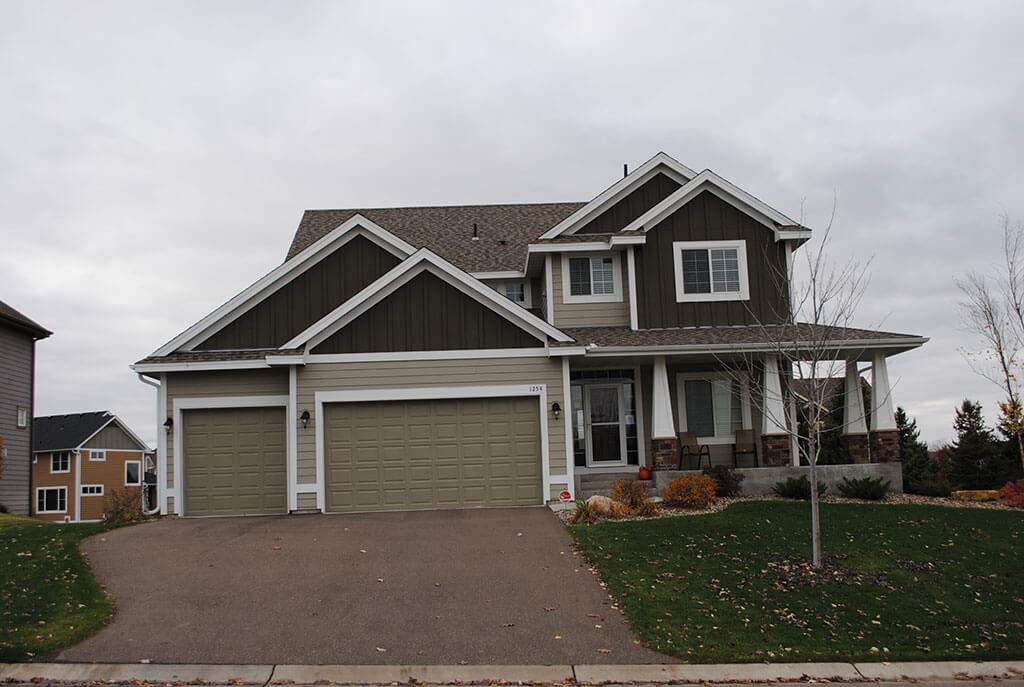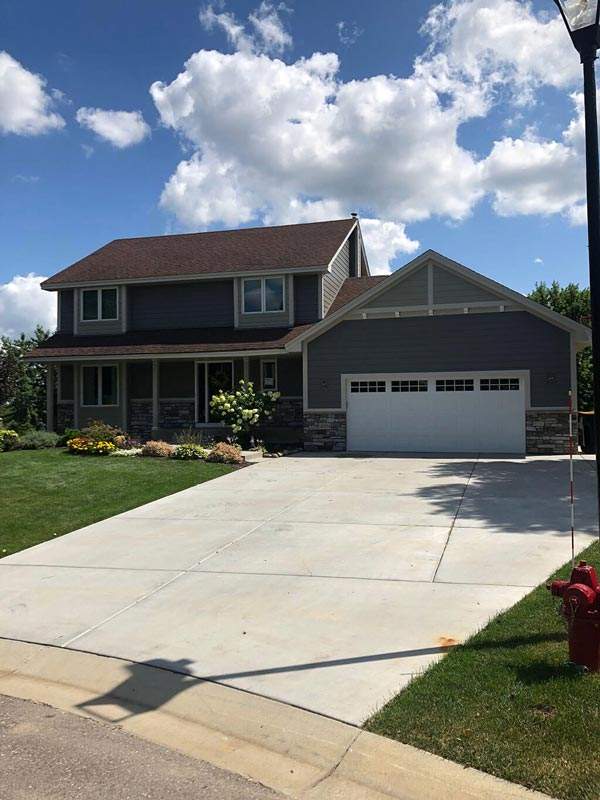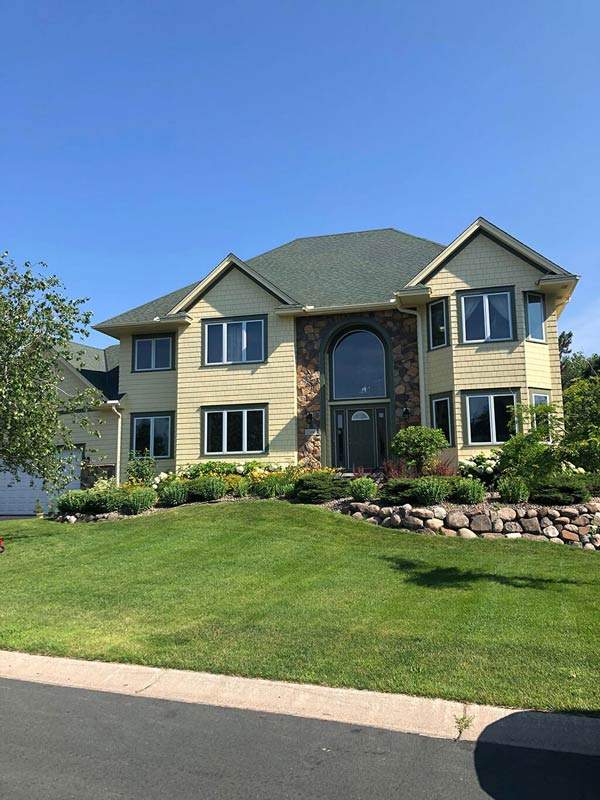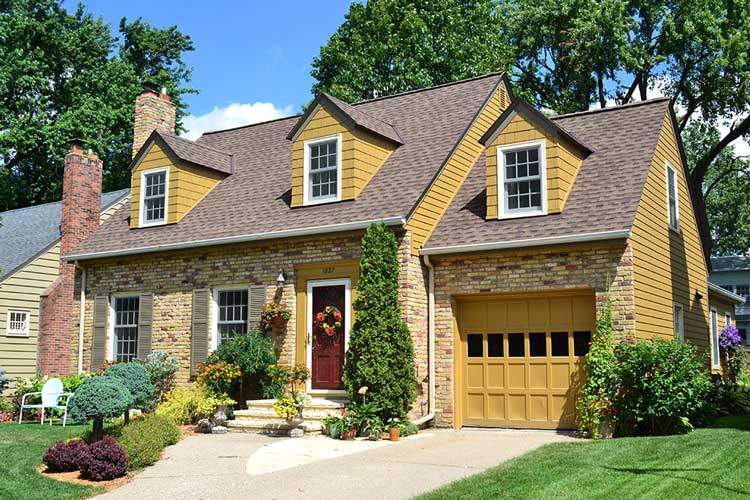
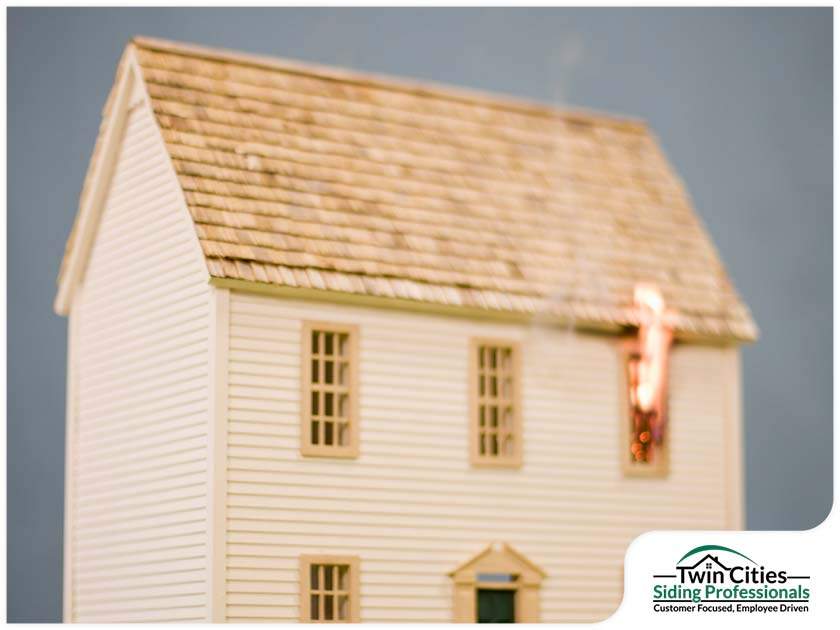
One of the most common causes of house fires is the kind caused by external factors, which is why today’s roofing systems carry fire ratings.

The Importance of Roof Fire Ratings
The city of London banned the use of thatched roofing in as early as 1189 (not in 1666 as some reports claimed) based on records of that period’s building regulations. Thatched roofs easily caught fire from sources like embers from neighboring chimneys. All new houses were then required to use fire-resistant material such as tile while existing thatched roofs had to be plastered.
While thatched roofs are rare in the U.S., the concept is still the same. Today’s standard residential roofing systems can have one of four fire rating classifications:
1. Class A – Class A roofing is the ideal rating for any home, particularly those that are located in areas that are prone to wildfires. Some of the requirements for achieving a Class A rating include lasting against at least 2 hours of exposure to open flame before ignition and resistance to up to 15 cycles of a gas flame turned on and off. Slate, clay tiles and asphalt shingles with fiberglass backing typically belong in this category.
2. Class B – Class B roofing is effective against moderate fire exposure. In comparison to the Class A requirements stated above, Class B roofs should be able to last one hour before ignition and eight cycles of gas flame exposure. Class B roofing materials include pressure-treated wood shakes and shingles.
3. Class C – Class C roofing provides light protection with correspondingly low requirements, including a 20-minute ignition threshold and 3 cycles of gas flame exposure. Materials in this category include untreated wood shakes and plywood.
4. Unrated – Unrated roofs provide almost no fire resistance and are not suitable for installation on homes.
Fire-Resistant Products
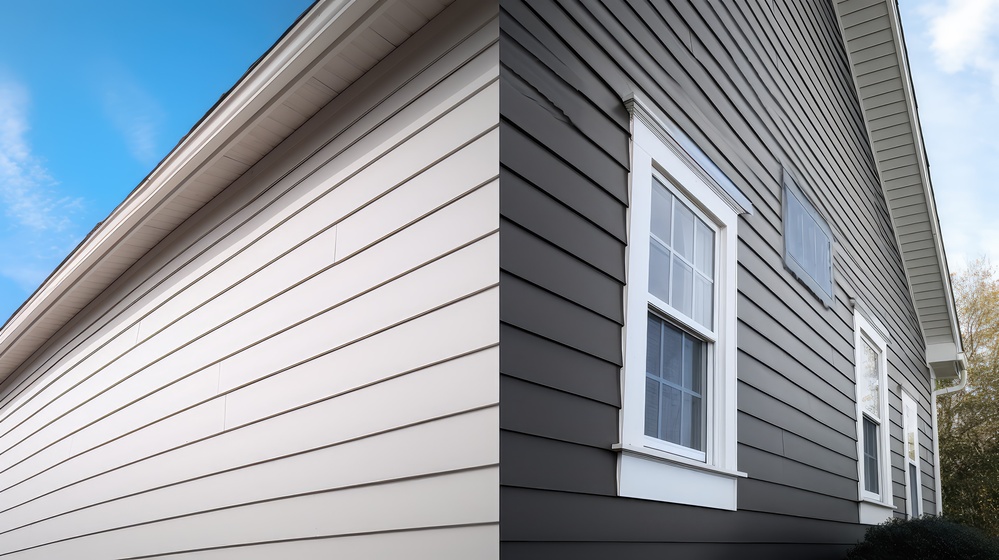
We at Twin Cities Siding and Roofing offer products that have proven fire resistance. James Hardie® siding is tested for resistance against ignition when exposed to direct flame. Being made of fiber cement, James Hardie siding will not contribute fuel to a fire. We also offer TimberTech® AZEK® Vintage Collection® for decking, which features Class A fire rating among its various features.
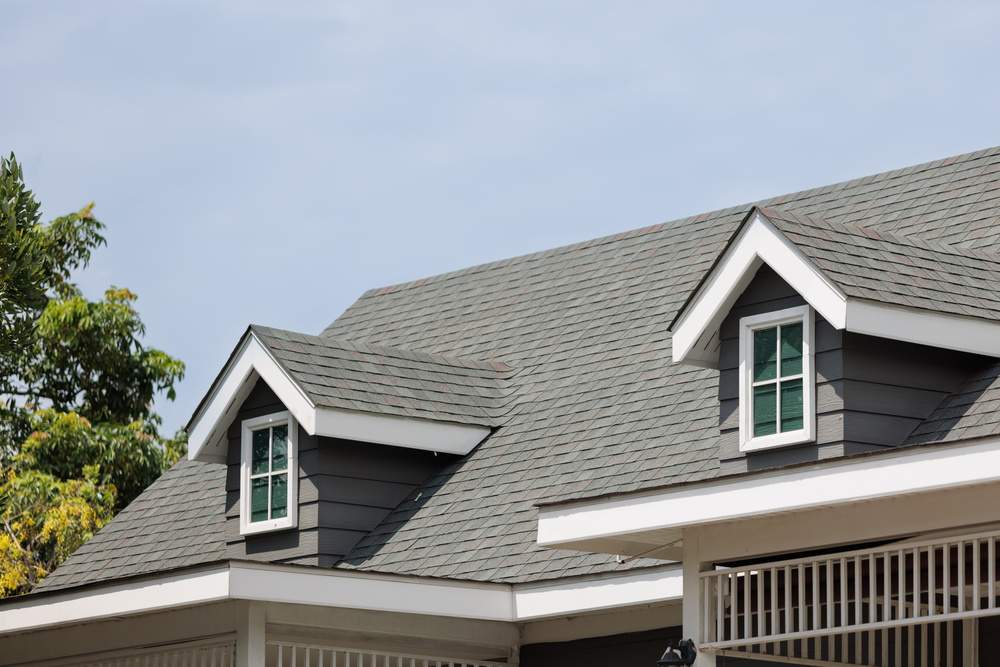
Lastly, we offer GAF VersaShield® underlayment and Timberline® HDZ™ Shingles, both of which have undergone extensive testing and are rated with Class A fire resistance. When installed by a certified GAF roofing contractor, you can enjoy the further benefits like industry-leading warranties and high wind resistance ratings.
Twin Cities Siding and Roofing is your leading provider of roofing and siding repair and installation services. Give us a call at 651-571-9557. You can also fill out our contact form to schedule an appointment. We serve customers in St. Paul and the surrounding communities.