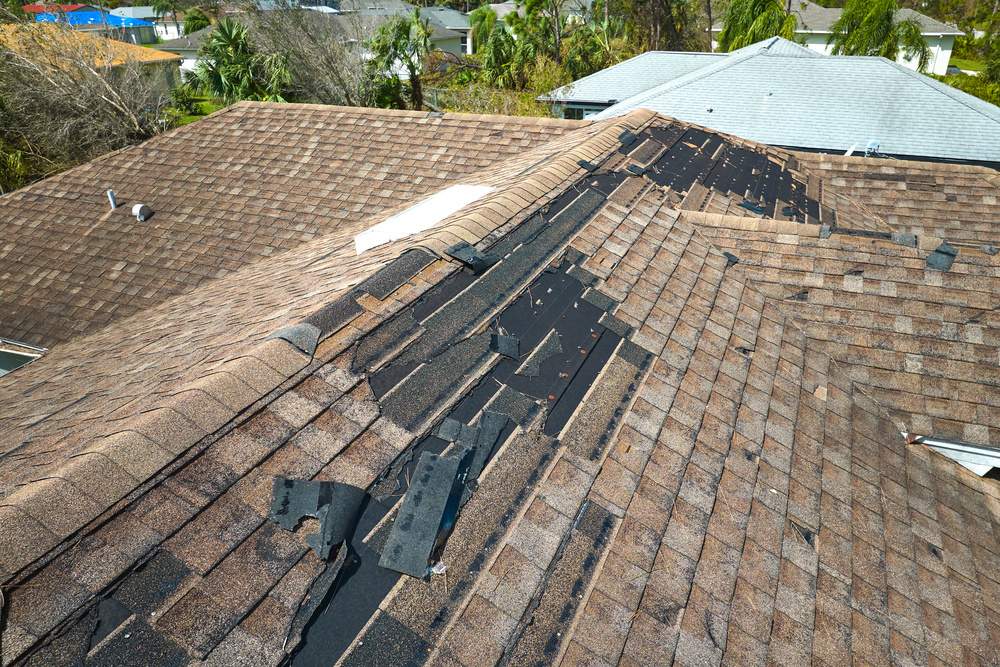
High winds in White Bear Lake, MN, can lift shingles, loosen flashing, and expose vulnerable areas of a roof. Once wind uplift compromises the roofing system, heavy rain and melting snow can move quickly into attic spaces and living areas. Preventing water intrusion after wind events requires targeted protection strategies that account for Minnesota weather patterns and seasonal storm cycles. A properly installed and well-maintained roof reduces the risk of costly repairs and protects the home’s interior.
Key Takeaways
- Wind uplift can create hidden openings that allow water intrusion long before visible roof leaks appear.
- Strategic upgrades to shingles, flashing, and roof decking help limit water damage after severe storms.
- White Bear Lake storm seasons require proactive roof inspections and timely repairs to avoid structural issues.
- Professional roofing contractors focus on permanent repairs that protect roof integrity and provide long-term peace of mind.
Wind Uplift Protections That Keep Water Out of Roof Systems
Strong winds often exploit weak points across an existing roof, which is why a professional roof inspection is critical after high-wind events. The following protections reduce the risk of future leaks and water intrusion.
Reinforced Asphalt Shingle Installation
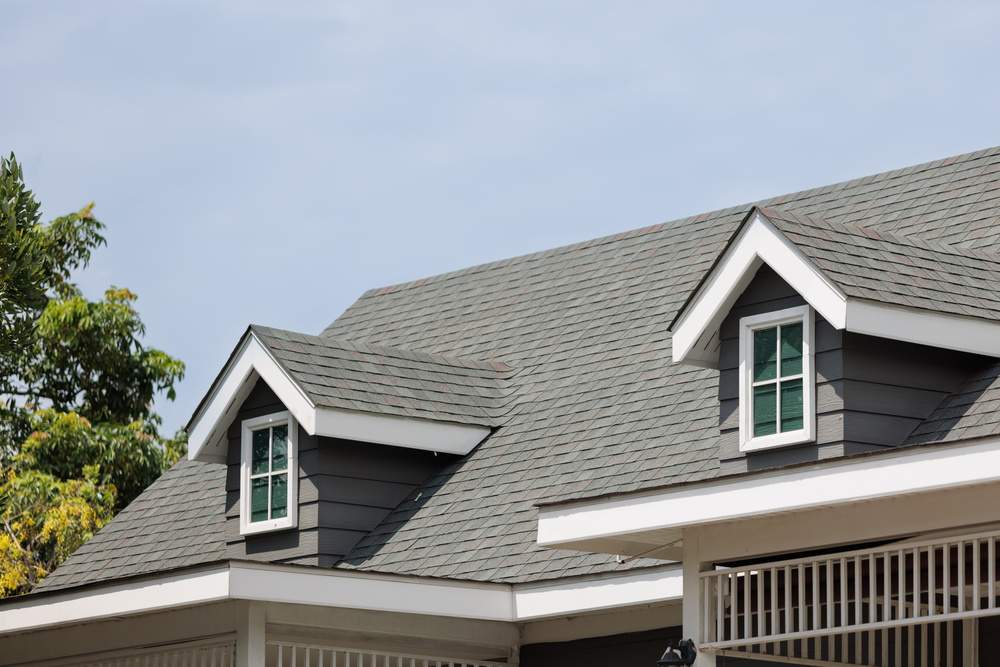
Proper installation of asphalt shingles is one of the most effective defenses against wind uplift in White Bear Lake.
Our work emphasizes correct nailing patterns, secure fastening, and appropriate materials so that asphalt shingles resist high winds and remain sealed during heavy rain. This approach helps prevent missing shingles, cracked shingles, and minor leaks that can lead to costly repairs.
Sealed Roof Decking Connections
Wind uplift places upward pressure on roof decking and can create pathways for water intrusion. Reinforcing roof decking connections helps maintain the roof’s integrity during extreme weather, especially when combined with proactive roof maintenance.
A tightly secured deck reduces the likelihood of active leaks, wood rot, and damage to attic insulation and electrical systems.
Durable Flashing at Roof Penetrations
Roof penetrations are among the most vulnerable areas during severe storms.
Replacing deteriorated flashing around vents, chimneys, and skylights helps block further water intrusion. Quality workmanship at these transition points protects the roofing system from prolonged exposure to wind-driven rain and reduces the need for repeated roof repair.
Improved Protection for Low Slope and Flat Roof Areas
Low slope and flat roof sections respond differently to high winds than steeper systems.
Addressing these areas with appropriate roofing materials, including metal roofing, and secure edge details, helps limit wind damage. This strategy reduces the risk of future leaks and lowers the chance of significant roof damage during storm season.
Prioritizing Upgrades for White Bear Lake Storm Seasons
Storm seasons in White Bear Lake bring repeated exposure to high winds, ice dams, and heavy rain. Planning upgrades before the next storm cycle can help limit repair costs and reduce the likelihood of emergency storm damage issues.
Early Roof Inspection After Wind Events
A roof inspection after high winds allows loose and damaged shingles, as well as minor leaks, to be identified before they escalate. Early detection supports effective roof leak repair and helps prevent water stains and interior water damage that can otherwise lead to larger roof installation or replacement decisions.
Thorough inspections can also support insurance claims when storm damage is present.
Targeted Shingle Upgrades in High Wind Zones
Homes in high-wind zones benefit from shingle upgrades designed to resist wind uplift. Evaluating the existing roof allows appropriate recommendations for asphalt shingles or metal roofing solutions that match the structure and exposure level.
Using suitable materials reduces the risk of future storms causing additional damage.
Addressing Ice Dams and Snow Melt Risks
Ice dams remain a concern for Minnesota homeowners during the winter months.
Assessing attic insulation and ventilation helps prevent uneven snow melt that can force water beneath shingles. These adjustments reduce the likelihood of roof leaks and related damage during freeze-thaw cycles.
Planning Permanent Repairs Versus Full Replacement
Not every roof requires complete replacement after storm damage.
Evaluating minor repairs versus permanent repairs or complete roof replacement depends on structural condition and long-term performance goals. Clear guidance helps protect the home’s interior while maintaining confidence through future storms.
Schedule a Roof Inspection Now to Prevent Wind Uplift Leaks and Interior Water Damage
Twin Cities Siding and Roofing helps White Bear Lake homeowners identify wind uplift damage early, before leaks reach insulation, drywall, or electrical systems. A timely roof inspection can confirm whether shingles, flashing, or decking show damage and allow repairs while the damage is still manageable. If high winds or recent storms have stressed your roof, taking action now can help prevent more extensive interior damage.
Contact us to schedule a professional roof inspection and address potential issues before the next storm cycle.
Frequently Asked Questions
How does wind uplift lead to roof leaks?
Wind uplift can loosen shingles and flashing, allowing water to enter the roofing system during heavy rain. Even small openings can lead to roof leaks that spread into attic insulation and interior spaces if not addressed promptly.
Should missing shingles always be replaced right away?
Yes. Replacing damaged shingles promptly helps prevent further water intrusion and protects the roof decking. Delaying roof repair increases the risk of costly repairs and structural damage over time.
Can a roof inspection help with insurance claims?
A professional roof inspection documents storm damage and supports insurance claims. Clear documentation helps homeowners determine whether repairs or roof replacement are appropriate after severe storms.
When is roof replacement a better option than repair?
Roof replacement makes sense when significant damage, widespread wind impact, or repeated leaks are present. A professional roofing contractor evaluates the existing roof to determine the most effective long-term solution.