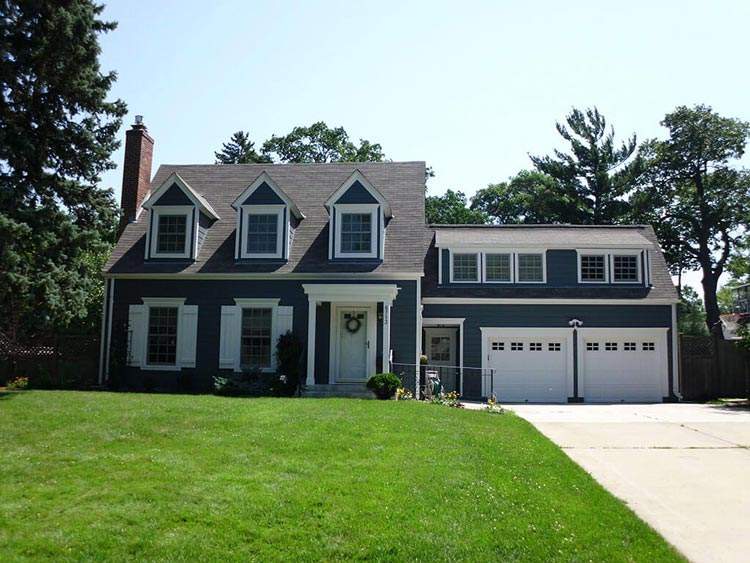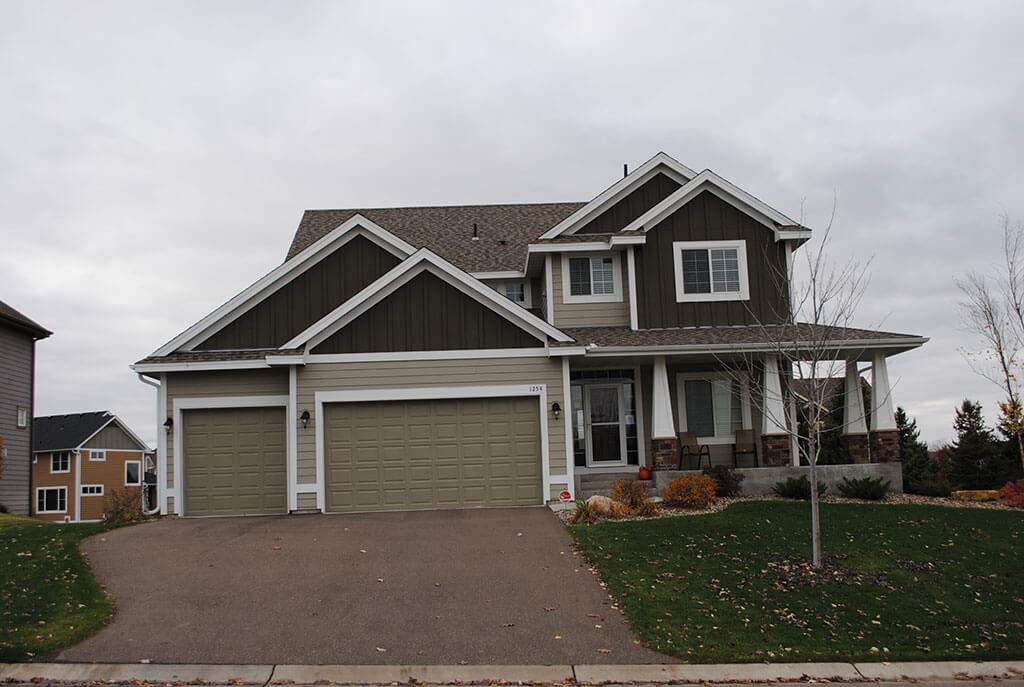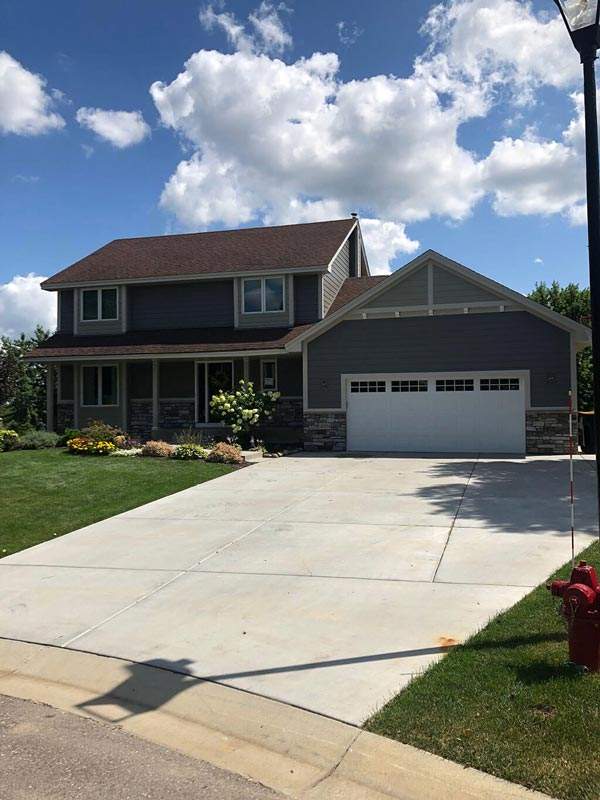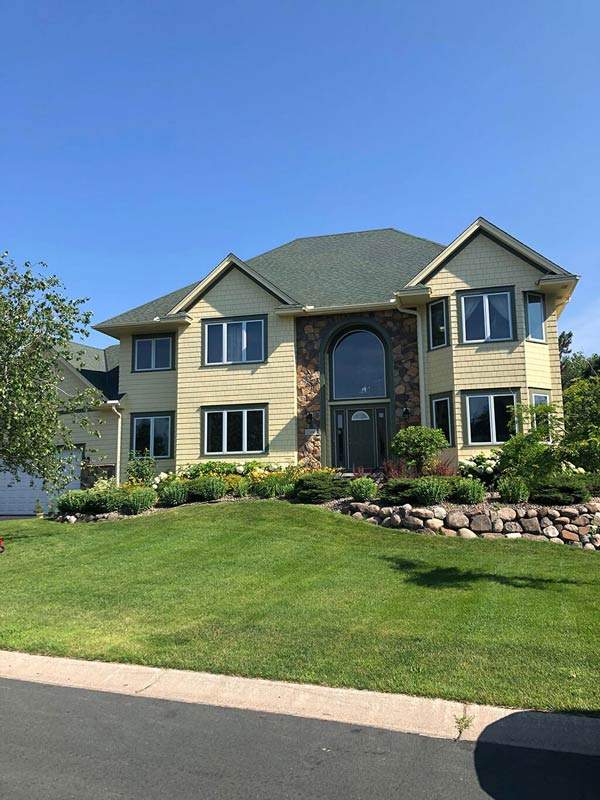
Summer humidity in the Twin Cities and across Central Minnesota brings more than muggy air—it brings hidden challenges for your roofing system.
The constant cycle of moist air, heat, and temperature swings can shorten a roof’s lifespan if it isn’t properly maintained. High humidity increases the risk of trapped moisture in attic spaces and beneath roofing materials, which often leads to roof damage, mold growth, and costly repairs.
Understanding how humidity affects the roof surface, attic ventilation, and insulation helps Minnesota homeowners prevent roof leaks and protect their property with reliable roofing systems.
Key Takeaways
- Minnesota’s humid summers accelerate shingle wear and moisture buildup.
- Poor attic ventilation and air leaks can cause roof leaks, mold, and mildew growth.
- Routine inspection helps spot damaged shingles or missing shingles early.
- Choosing the best roofing materials ensures long-term roof longevity in humid climates.
How Summer Humidity Affects Roof Lifespan In Twin Cities Homes
Humidity has a direct impact on how long your roof remains effective in Minneapolis–St. Paul and the surrounding areas. Warm air holds excess moisture, which can enter attic insulation and roofing layers, slowly compromising structural integrity.
During periods of high humidity, the roof’s edge, soffit and ridge vents, and deck are especially vulnerable. Below are the primary ways humidity affects Minnesota roofs and why proper ventilation matters.
Moisture Absorption and Material Decay
In Central Minnesota, roofing materials like asphalt shingles tend to absorb moisture during humid summer months. That trapped moisture can deteriorate protective granules and cause shingle deterioration or curled shingles. Moisture buildup weakens the roof deck, allowing water stains and algae growth to form across the roof surface.
We recommend using GAF asphalt shingles with professional installation, as they resist excess moisture and high winds common in Minnesota weather.
Ventilation Problems That Trap Heat and Moisture
Excess moisture without adequate ventilation can cause mildew growth and moisture buildup beneath the roof’s surface. When attic insulation becomes damp from moist air, the warm air inside promotes mold and mildew, especially in areas lacking proper attic ventilation.
Our team often installs soffit and ridge vents to improve air circulation and prevent ice dams during heavy snowfall and snow load periods. Adequate ventilation also helps regulate cooling costs and prevents excess snow from melting unevenly and refreezing along the roof valleys.
Hidden Mold and Structural Damage
Moisture infiltration and air leaks can lead to unseen mold growth, wood rot, and costly damage to the roof deck and framing. Mold and mildew thrive when trapped moisture lingers beneath roofing materials, reducing the roof’s structural integrity.
Without proper maintenance and early warning signs, homeowners risk costly repairs or even insurance claims for hidden damage. Our team regularly performs roof inspections and maintenance to replace damaged shingles, seal air leaks, and maintain proper ventilation to ensure the roof remains durable despite Minnesota’s humid summers.
Practical Maintenance And Ventilation Steps For Minnesota Homeowners
Preventing humidity-related roof problems requires consistent upkeep and a proactive approach to ventilation. For Minnesota homeowners, maintaining roof longevity means balancing insulation, air circulation, and roof design to manage moist air and seasonal weather extremes.
Schedule Routine Roof Inspections and Maintenance
Seasonal inspections are vital to detect excess moisture and roof leaks early. During humid months, check for missing shingles, lifted shingles, or cracked flashing around roof valleys.
Inspect attic insulation and ensure warm air isn’t condensing on cold surfaces, which can lead to mildew growth or wood rot. Proper installation and sealing can also prevent air leaks that contribute to moisture problems and help avoid future insurance claims.
Improve Attic Ventilation and Airflow
A well-ventilated attic controls temperature, humidity, and air circulation throughout the roofing system. Upgrading soffit and ridge vents helps release trapped moisture and reduce the risk of mold growth or energy bills from poor airflow.
Ridge vents work with insulation to move moist air out, preventing vulnerable areas from deteriorating. Good attic ventilation also helps melt ice evenly, prevents ice dams, and protects the roof’s edge during heavy snow accumulation.
Use Roofing Materials Suited for Humid Climates
Choosing roofing materials designed for Minnesota weather ensures your roof performs well under pressure. Asphalt shingles, metal, and even clay tiles perform differently depending on how they absorb moisture and resist high humidity.
GAF asphalt shingles and other energy-efficient options reduce heat absorption and cooling costs, protecting your roof’s lifespan against humid summers and heavy snow. Proper installation and professional craftsmanship ensure these materials perform as intended and protect against costly damage.
Protect Your Home With a Trusted Local Roofing Contractor
If you’ve noticed water stains, roof leaks, curled shingles, or overhanging branches scraping your roof surface, it may be time for professional service. Twin Cities Siding and Roofing provides roof installation, repair, and shingle replacement using materials proven to withstand Minnesota weather, including humid summers and heavy snowfall. We handle storm restoration, insurance claims, and preventative services to keep every roofing system in top condition.
To learn more about our services, explore our locations page to see if we serve your area or visit our About Us page for credentials and experience details.
Ready to get started? Schedule a free estimate today.
Frequently Asked Questions
What are the main signs of humidity damage on Minnesota roofs?
Common signs include water stains, mold and mildew, curled shingles, or damaged shingles near roof valleys. Excess moisture often leads to wood rot, trapped moisture in attic spaces, and deteriorating protective granules that shorten roof longevity and cause costly repairs. Regular inspections help identify early warning signs before they lead to costly damage.
How does attic insulation affect humidity control and energy efficiency?
Proper attic insulation reduces warm air buildup and prevents moist air from condensing on cooler surfaces. It supports adequate ventilation and prevents air leaks that lead to excess moisture, high energy bills, and ice dams. Maintaining a well-insulated attic helps prevent vulnerable areas from weakening during heavy snow and melt ice cycles.
Can poor ventilation cause roof leaks or mold growth?
Yes. Without proper ventilation, humid air remains trapped beneath the roof deck, leading to moisture buildup and mold growth. This trapped moisture can damage roofing materials, cause roof leaks, and create conditions for mildew growth. Installing ridge vents and sealing air leaks helps prevent these roofing problems and extend roof longevity.
What steps can prevent ice dams and roof damage in Minnesota’s humid climate?
Proper maintenance and adequate ventilation are key. Use a roof rake to remove excess snow, seal air leaks, and improve attic ventilation to prevent ice dams from forming. Maintaining proper airflow between soffit and ridge vents keeps the roof’s edge and surface temperature balanced, protecting against heavy snow accumulation and costly repairs.