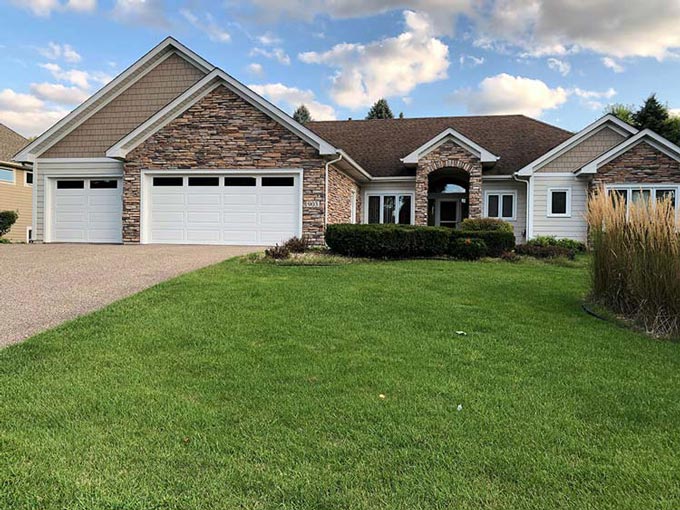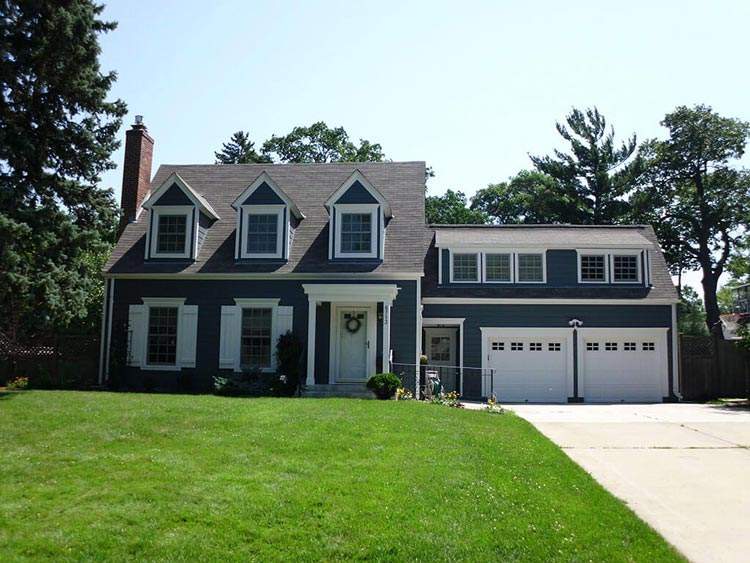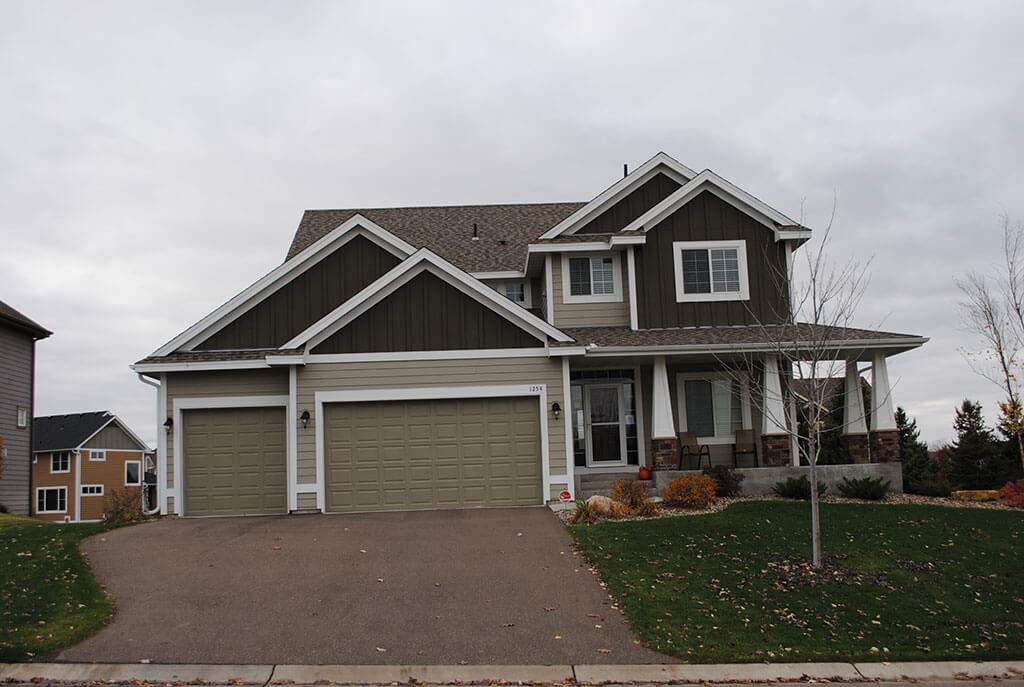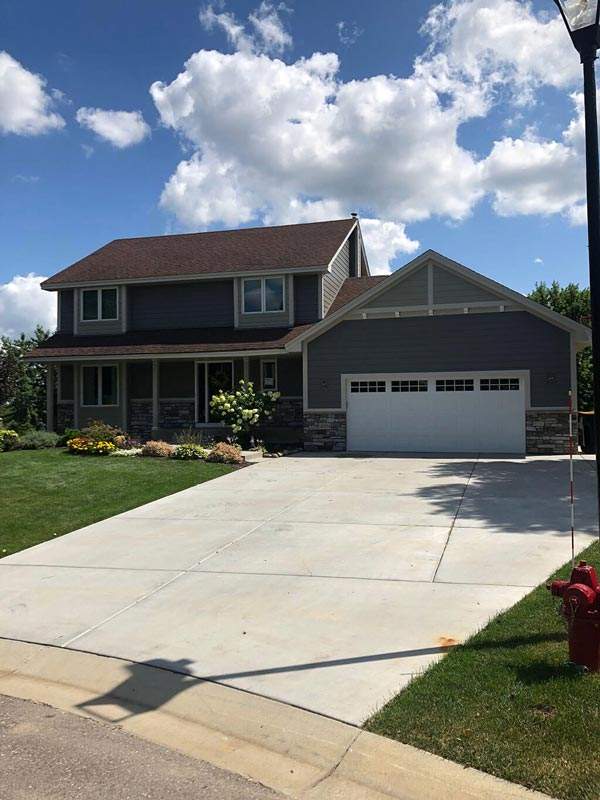
Selecting a new siding color is more than just a cosmetic upgrade—it’s an opportunity to enhance your home’s personality, curb appeal, and value. In St. Paul, where seasonal shifts dramatically influence exterior appearance, choosing the right hue can also improve your home’s warmth and energy efficiency.
When considering new siding colors, seek inspiration from visualizers, magazines, or online resources to help you envision the possibilities and make confident design choices.
This guide is tailored for St. Paul homeowners looking to choose a siding color that fits their home’s overall design.
Key Takeaways
- Match color with your home’s style, setting, and existing exterior features by considering existing colors such as stone, roofing, and windows
- Make thoughtful color selection a priority to ensure a cohesive and lasting result
- View samples in natural light at different times of day
- Choose fade-resistant options like James Hardie® ColorPlus® Technology for long-term performance
1. Reflect St. Paul Architecture and Neighborhood Character
St. Paul features diverse architecture—from classic Colonials and Craftsman bungalows to modern renovations—representing different architectural styles. When selecting siding and exterior colors, it’s important to match your choices to your home’s architectural style to create a cohesive and visually appealing exterior. Complement your home’s original design with era-appropriate colors and color palettes:
- Craftsman: Earthy greens, taupe, or warm browns. Craftsman style homes often use earthy color palettes to complement their natural surroundings.
- Victorian: Rich colors like burgundy, slate blue, or forest green
- Colonial: Traditional white, navy, or gray with high-contrast trim
- Mid-Century Modern: Clean lines and neutral shades like gray, beige, or white
Historic districts like Summit Hill or Crocus Hill may have design guidelines to follow, so verify any color rules before you begin. Understanding architectural styles, home style, and color palettes can help guide your decision.
2. Use Your Roof, Trim, and Masonry as Anchors
Your existing roof and trim help narrow down your siding palette. Coordinating your siding with roof colors, trim colors, window trim, and shutters is essential for creating a cohesive and visually appealing exterior. For example:
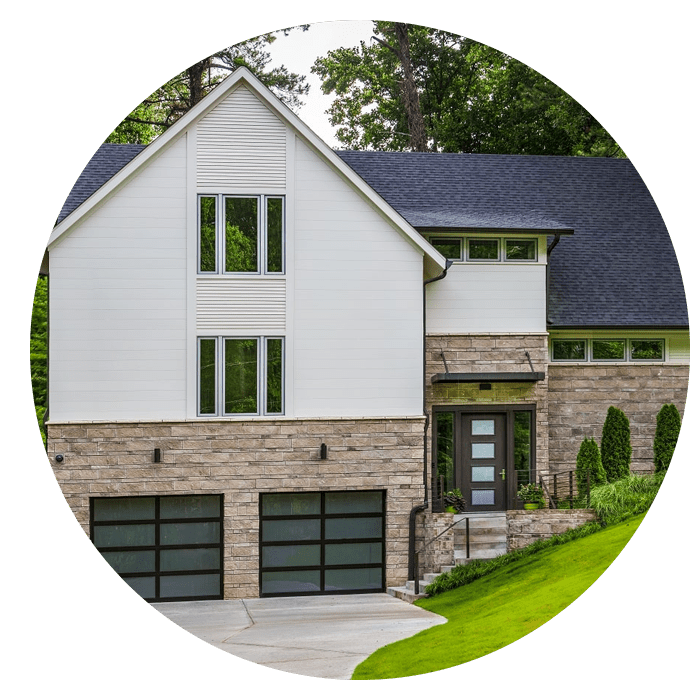
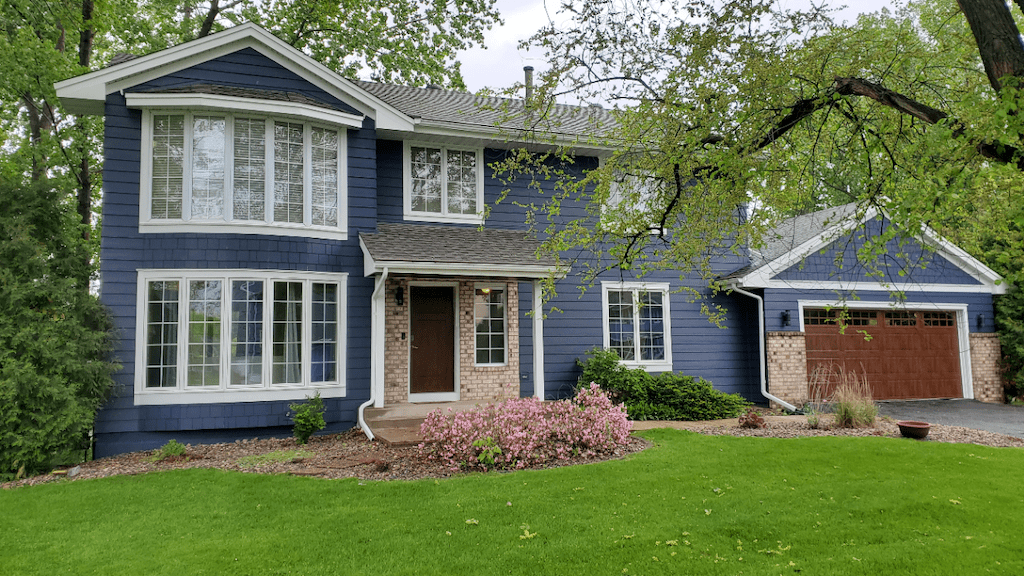
- A black roof works well with nearly any siding color, especially deep blue or white
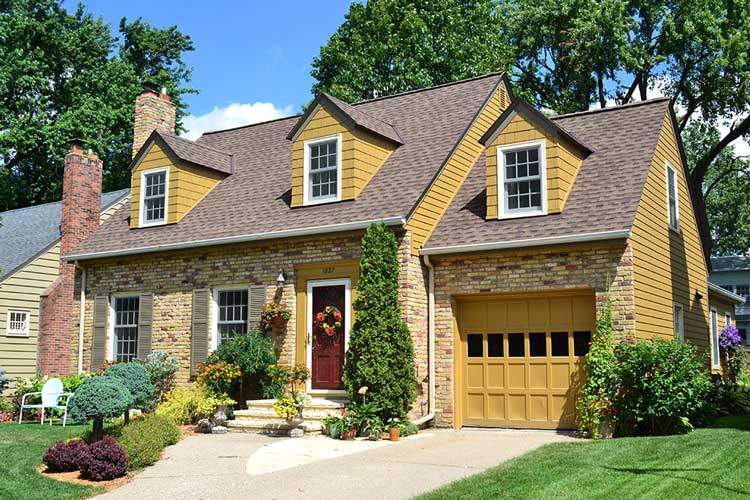
- Brown or red brick accents complement beige, sage, or olive tones
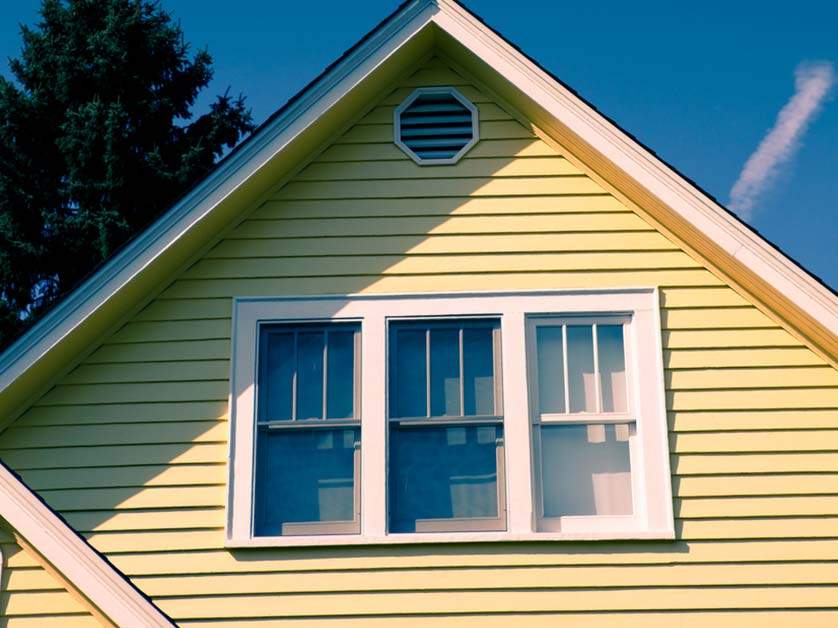
- White trim offers sharp contrast for dark or bold colors
When selecting your siding palette, also consider the color of your doors, windows, and shutters to ensure all exterior elements work together harmoniously.
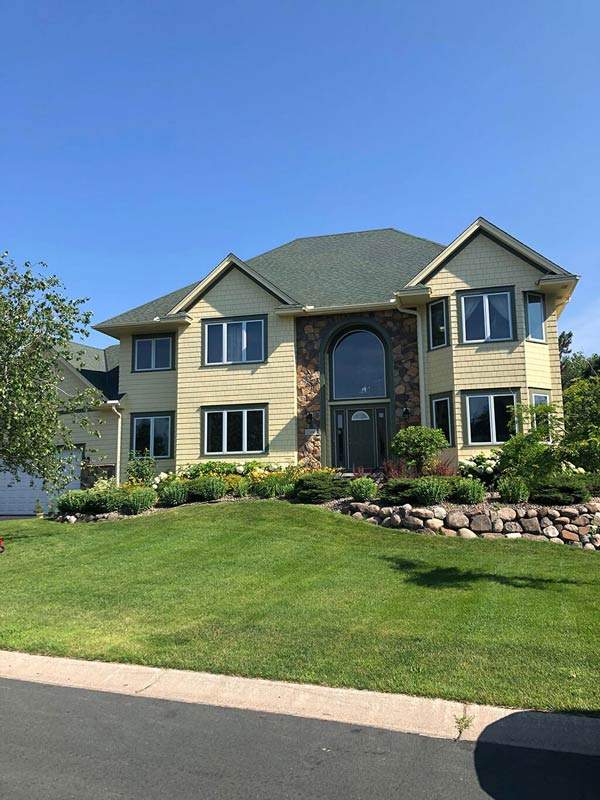
If your home has stone or brickwork, choose a siding color that coordinates instead of competes.
3. Understanding Color Theory for Siding Choices
Choosing siding colors isn’t just about picking your favorite shade—it’s about creating a harmonious exterior that enhances your home’s overall style. Color theory can help you make informed decisions by showing how different colors interact and complement each other. The color wheel is a valuable tool in this process, illustrating which colors work well together and which combinations create the most visually appealing results.
When selecting siding colors, consider how warm and cool tones can influence the mood of your home’s exterior. Warm colors, like reds, yellows, and certain browns, tend to create a welcoming, energetic feel, while cool colors, such as blues, greens, and grays, offer a calm and sophisticated look. Using the color wheel, you can identify complementary colors—those opposite each other on the wheel—that add contrast and visual interest, or analogous colors—those next to each other—for a more subtle, cohesive look.
Think about how your siding color will blend with existing features like trim, roofing, and landscaping. For example, pairing a cool-toned siding with warm accent colors can create a balanced and inviting appearance. By applying basic color theory principles, you can confidently choose siding colors that not only suit your home’s architectural style but also create a unified and attractive exterior.
3. Test Colors in St. Paul Sunlight
Minnesota lighting conditions change dramatically with the seasons. A color that appears warm and inviting on a summer evening might feel flat in the winter shade.
- Sample boards help visualize color on your specific home
- Use visualization tools to preview siding color ideas on your own home before making a final decision
- View them in morning light, midday sun, and twilight
- Consider how snow or foliage might affect the look seasonally
4. Choose Colors That Last and Add Value
Neutral tones are popular in St. Paul for their broad appeal and timeless quality. Neutral colors and natural colors are especially favored for their versatility and ability to complement a wide range of architectural styles. Favorite James Hardie hues include:
- Aged Pewter: Versatile gray with warm undertones
- Cobblestone: Subtle taupe ideal for historic homes
- Arctic White: Crisp and classic for trim or full exteriors
- Evening Blue: A rich blue that stands out without overwhelming
- Granite Gray: A light, neutral gray with warm undertones, offering universal appeal and suiting many home designs
These shades are well-suited to local home styles and neighborhood aesthetics. Lighter colors can create a fresh, neutral look and help reflect heat, while darker colors or a darker accent can add depth and highlight architectural features. Tan is a classic, warm neutral that pairs well with many palettes, and red color options like Redwood provide a bold, inviting accent or main choice.
Using a palette of three colors—typically for siding, trim, and accents—creates a balanced and visually appealing exterior. Some homeowners prefer a monochromatic scheme, using different shades of the same color for a modern, cohesive appearance.
Ultimately, finding the perfect color for your home’s exterior ensures lasting value and curb appeal.
5. Prioritize Durability and Low Maintenance
St. Paul’s weather extremes demand siding that performs. Products like James Hardie’s ColorPlus® Technology are built for Minnesota’s climate, offering:
- Resistance to UV fading and chipping
Stain and stained finishes can enhance the appearance and durability of wood siding, highlighting the natural beauty of wood grain and providing a long-lasting, rustic look.
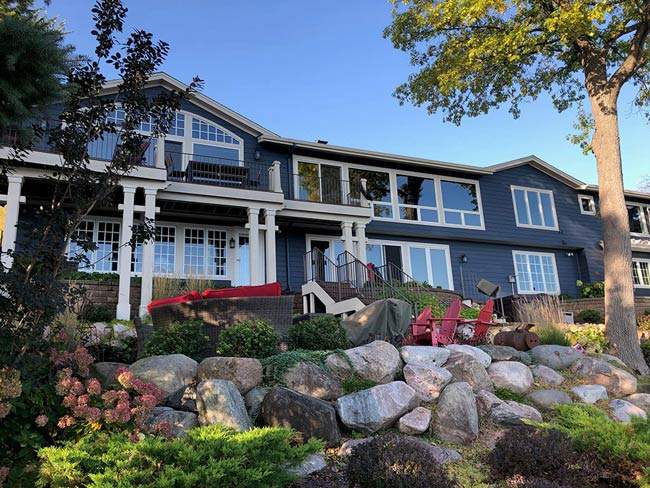
Stained wood siding is especially popular for homes in wooded areas, as it blends naturally with the surrounding woods and complements outdoor, natural settings.
- Long-term curb appeal
- No need to repaint for 15+ years
6. Check for Local Restrictions or Guidelines
If you live in one of St. Paul’s many preservation districts or an HOA-regulated neighborhood, consult local design codes. The city’s Heritage Preservation Commission may have pre-approved palettes for historic homes.
New construction homes often offer more flexibility in color choices compared to homes in historic districts.
Let St. Paul Style Inspire Your Exterior
With the right siding color, your St. Paul home can better reflect its surroundings and your personal taste. Bold or contrasting color schemes can draw attention to your home’s exterior and help your home stand out in the neighborhood. Modern homes often use innovative color palettes and schemes to highlight architectural features and create a distinctive look. When you select colors, consider palettes that reflect your personal idea of the perfect exterior, whether you prefer classic combinations or something more unique. Twin Cities Siding and Roofing brings experience, premium materials, and expert installation to every project.
Request a Free Siding Color Consultation
FAQs
Which siding colors are most popular in St. Paul? Warm grays, creamy neutrals, and deep blues are popular choices across the city’s classic neighborhoods.
Can I see color previews on my home? Yes. We offer design visualization tools and physical sample boards to help you select with confidence.
Is dark siding suitable for St. Paul winters? Yes, if it’s high-quality and UV-resistant. James Hardie ColorPlus siding retains color and resists heat distortion. Keep in mind that darker colors absorb more heat, which can impact your home’s energy efficiency, especially in warmer months.
Will I need to repaint frequently? No. ColorPlus finishes are designed to last 15 years or more without repainting.
Do you provide color consultation support? Absolutely. We work closely with St. Paul homeowners to match colors to their architecture, setting, and goals. Our consultation includes advice on selecting the right tone for your door, trim colors, and accent colors to achieve a cohesive look.
How do I coordinate black shutters and my front door color with siding and trim colors for a classic look? Black shutters are a timeless choice that pairs well with traditional siding colors like linen white or deep blue. For a classic and inviting curb appeal, consider a bold front door color such as red or navy that complements both your siding and trim colors. Coordinating the tone of your door and trim colors with your siding creates visual harmony and highlights architectural features.