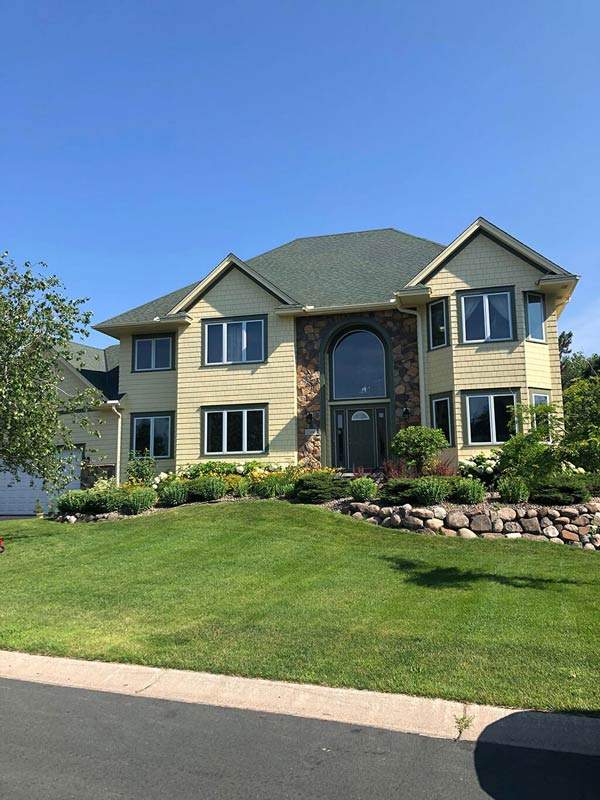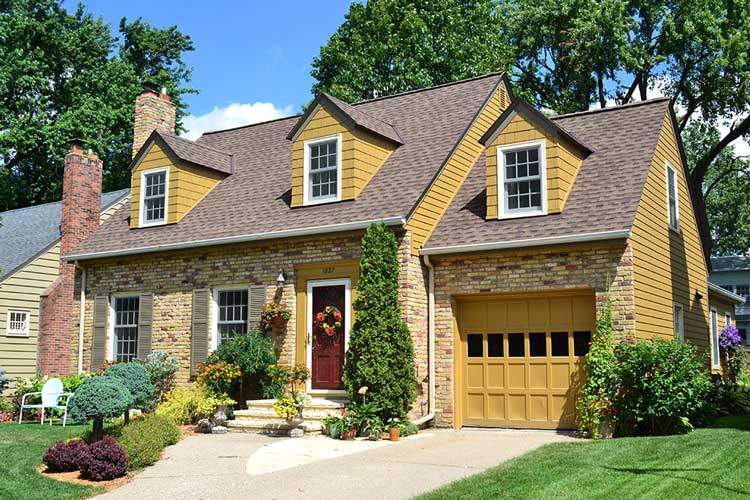

Traffic, aircraft, and neighborhood activity can make outdoor noise increasingly noticeable inside St. Louis Park and Maple Grove homes. Homeowners often wonder whether replacing older siding can help reduce that noise and create more comfortable living spaces.
New siding can help, but effective noise reduction depends on the condition and construction of the entire exterior assembly. This guide explains how siding affects outside noise, what influences results, and which factors homeowners should consider before replacement.
Key Takeaways
- New siding can support quieter interiors when exterior wall gaps and weak points are addressed.
- Fiber cement adds a durable exterior layer that can contribute to a stronger wall assembly.
- Windows, doors, penetrations, and insulation also affect how much outdoor sound enters a home.
- A complete exterior assessment helps homeowners set realistic expectations before replacing siding.
How New Siding Can Reduce Outdoor Noise Indoors
Understanding how siding affects outside noise starts with the complete wall assembly rather than the visible siding alone. Sound can travel through exterior materials, gaps, openings, windows, doors, and other weak points.
In St. Louis Park and Maple Grove homes, new siding can support noise reduction by improving several parts of that exterior assembly.
Greater Wall Mass Can Limit Sound Transmission
Exterior walls with limited mass may allow more roadway and neighborhood noise to pass through the building envelope. Denser siding materials add another substantial layer that can help resist sound transmission through the wall. This added mass matters because heavier, layered assemblies generally provide more resistance to airborne sound than lightweight exterior surfaces.
The improvement depends on the complete wall construction, so siding should not be treated as a standalone soundproofing product.
Fiber Cement Adds a Dense Exterior Layer
Fiber cement provides a substantial exterior layer that can contribute to a more robust wall assembly. Its density can support sound control while also providing the durability needed for Minnesota’s changing weather conditions. Homeowners exploring James Hardie fiber cement siding options can consider these characteristics alongside appearance, weather resistance, and long-term performance.
Twin Cities Siding and Roofing installs James Hardie fiber cement siding for homes throughout the Twin Cities region.
Tighter Exterior Assemblies Reduce Sound Pathways
Gaps around penetrations, transitions, and aging exterior components can provide pathways for both air and outdoor sound. Siding replacement provides access to exterior areas that remain concealed during normal home maintenance. Correcting appropriate gaps while replacing older siding for better home comfort can create a more continuous exterior assembly.
That continuity can be particularly valuable for homes exposed to regular highway traffic or other persistent outdoor noise.
Multiple Wall Layers Help Control Outdoor Noise
Siding works together with sheathing, insulation, air spaces, and interior finishes rather than functioning as an isolated sound barrier. Each layer influences how sound energy moves through the exterior wall before reaching an occupied room. Understanding these differences makes comparing siding materials for your home more useful than evaluating siding by appearance alone.
A stronger overall assembly can support reducing traffic noise inside a home, although results vary with existing construction and other sound pathways.
Siding Can Reduce Noise Without Creating Complete Silence
New siding may reduce some sound entering through exterior walls, but it cannot eliminate every source of highway or aircraft noise. Windows, doors, vents, roofs, and other building components can continue transmitting sound even after siding replacement. The FAA’s guidelines for sound insulation of buildings exposed to aircraft noise similarly address noise reduction through broader building improvements rather than one exterior material.
For St. Louis Park and Maple Grove homeowners, siding is best understood as one component of a complete exterior system that influences indoor comfort.
Siding Priorities for Quieter St. Louis Park and Maple Grove Homes
Exterior upgrades for reducing outside noise work best when homeowners focus on the complete building envelope. Local housing conditions, wall construction, windows, and exposure to transportation noise can produce different results from one property to another. A siding project should therefore begin with existing conditions rather than assumptions about a single material.
These priorities help homeowners approach siding replacement with practical expectations.
Identify the Main Noise Source First
A homeowner may hear highway traffic, aircraft, nearby vehicles, or several sources without knowing which pathway carries the most sound indoors. Identifying when and where noise is strongest helps narrow the exterior areas that deserve closer inspection. This prevents siding from being treated as a universal solution when windows or another component may be more influential.
For homeowners evaluating siding options for St. Louis Park homes, this assessment can accompany broader exterior planning.
Inspect Windows and Doors Alongside Siding
A strong wall assembly may still allow noticeable noise through windows and exterior doors. These openings interrupt the wall and can become important sound transmission paths, especially when components are older or poorly sealed. Looking at them alongside siding creates a more complete picture of the home’s exterior performance.
This approach helps homeowners avoid expecting siding replacement alone to resolve noise entering through another part of the building envelope.
Prioritize Installation Details Around Openings
Transitions around windows, doors, vents, and other penetrations create complicated areas within an exterior wall. Careful installation helps maintain continuity where siding meets these components and reduces avoidable gaps. That continuity matters for moisture management, weather resistance, and limiting pathways that may contribute to outdoor sound transmission.
Homeowners should make installation quality part of their evaluation instead of comparing siding products only by appearance.
Balance Noise Goals With Minnesota Weather Protection
A siding project in Minnesota must handle moisture, temperature swings, wind, snow, and repeated freeze-thaw conditions while addressing homeowner comfort goals. Durable materials and correct installation remain essential because noise reduction should not compromise the exterior’s primary weather-protection role. Twin Cities Siding and Roofing’s documented siding services include installation and repair using James Hardie fiber cement products.
For Maple Grove homeowners, exterior solutions for Maple Grove homes can provide additional context for planning improvements around local exterior needs.
Consider the Whole Home Before Finalizing the Project
Noise rarely enters a house through only one component, so focusing exclusively on siding can overlook important weaknesses elsewhere. The FAA recognizes sound insulation as a broader building strategy for reducing aircraft noise inside eligible structures. This whole-home perspective helps homeowners prioritize improvements according to the conditions actually affecting their property.
If noise remains significant after exterior walls are assessed, windows, doors, insulation, and other building-envelope components may warrant further evaluation.
Plan a Siding Upgrade With Indoor Comfort in Mind
If aging siding is affecting the exterior performance of your St. Louis Park or Maple Grove home, Twin Cities Siding and Roofing can evaluate your siding needs. The company has served homeowners and business owners throughout the Twin Cities metro and Central Minnesota since 1995, with siding installation and repair among its documented services.
Schedule a free estimate to discuss your home’s existing siding, exterior conditions, and project priorities. The consultation can help establish realistic expectations for comfort improvements while keeping Minnesota weather protection, durability, and appearance at the center of the project.
Frequently Asked Questions
Can new siding completely soundproof my home?
No. New siding may support a quieter wall assembly, but sound can also travel through windows, doors, roofs, vents, and structural components. Results depend on the home’s construction and the source of the noise.
Is fiber cement siding good for homes exposed to traffic noise?
Fiber cement adds substantial material to an exterior wall assembly, which can support noise-control goals. However, indoor results depend on insulation, sheathing, openings, installation details, and other components rather than siding material alone.
Can siding help with aircraft noise in Maple Grove or St. Louis Park?
Siding may contribute to a stronger exterior assembly, but aircraft noise can involve several transmission paths. Effective improvements often require evaluating walls, windows, doors, insulation, penetrations, and existing air gaps throughout the home.
Should siding or windows be replaced first for noise reduction?
The answer depends on where sound is entering. If windows are the primary weak point, replacing siding alone may provide limited improvement. An exterior assessment can help identify which components deserve priority before work begins.