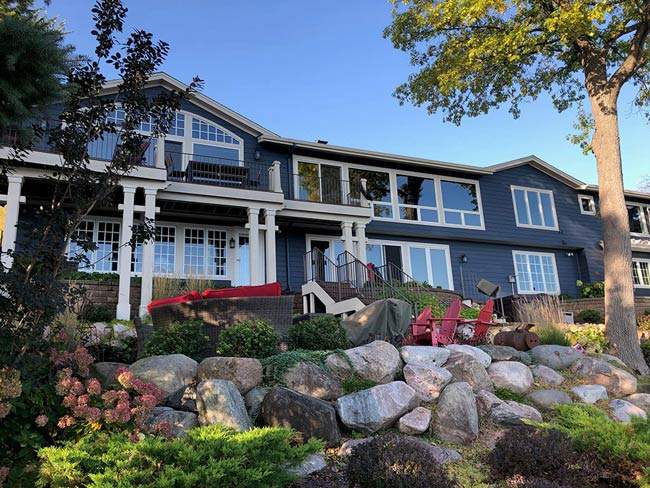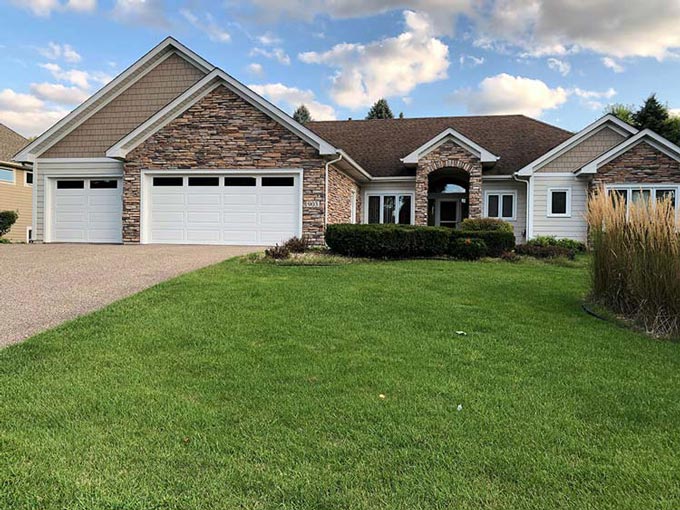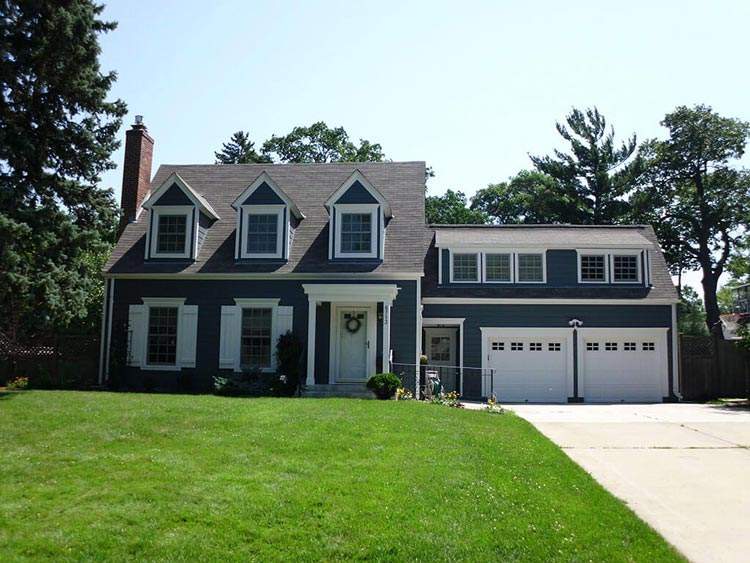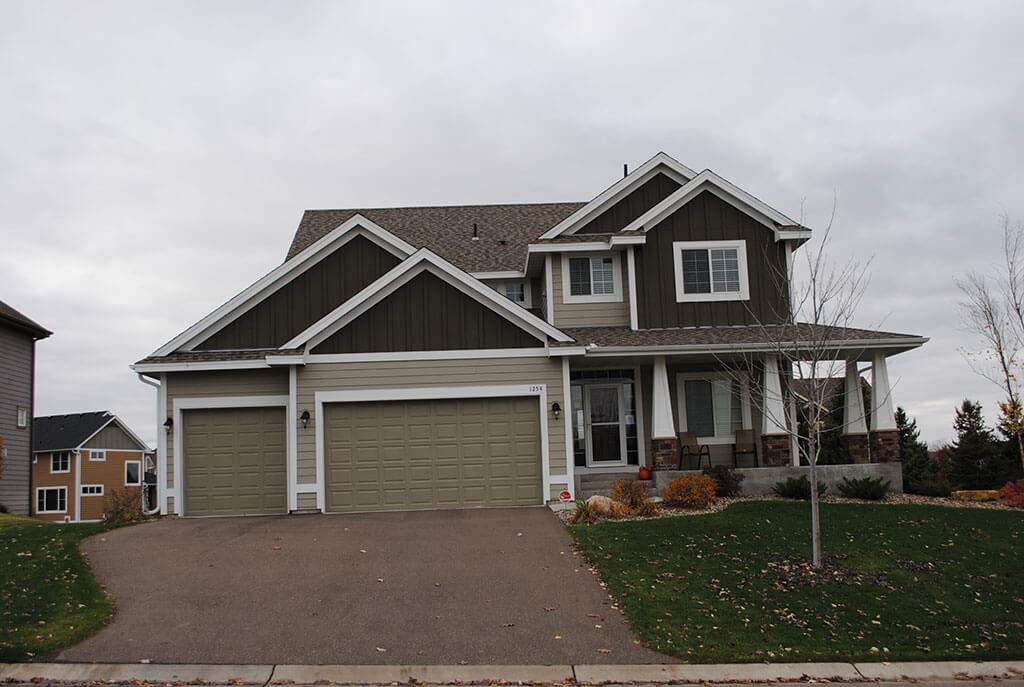
Choosing the best siding for Twin Cities climate conditions means looking beyond appearance, color, and other design preferences. Minnesota homes face winter cold, summer heat, moisture, wind, snow, and substantial temperature changes throughout the year.
Vinyl, fiber cement, and engineered wood respond differently to these conditions and bring different maintenance considerations. This guide compares their weather performance and explains what matters when selecting siding for a Twin Cities home.
Key Takeaways
- Minnesota temperature swings make moisture control, installation quality, and material stability important siding considerations.
- Vinyl handles changing seasons, but temperature changes can affect its flexibility and movement.
- Fiber cement provides dimensional stability and durability through demanding Minnesota weather conditions.
- Engineered wood offers manufactured protection, but dependable moisture management remains important.
How Each Siding Material Handles Twin Cities Weather
Siding for Minnesota winters must perform through prolonged cold, moisture exposure, summer heat, wind, and repeated seasonal changes. Vinyl, fiber cement, and engineered wood respond differently because their composition and installation requirements are not the same. Understanding these differences makes comparing siding materials for Minnesota weather more useful for Twin Cities homeowners.
Vinyl Siding Moves With Seasonal Temperature Changes
Vinyl siding expands during warmer weather and contracts as temperatures fall, creating regular movement throughout changing Twin Cities seasons. Its installation system accommodates this movement by allowing properly fastened panels to shift instead of remaining completely rigid.
This flexibility supports seasonal performance, although severe cold can make vinyl less flexible than during warmer conditions.
Fiber Cement Remains Stable Through Temperature Changes
Repeated temperature changes can challenge siding materials that experience significant movement between Minnesota’s cold winters and warm summers. Fiber cement offers strong dimensional stability, meaning temperature changes generally produce less expansion and contraction than some siding alternatives.
This characteristic makes HardiePlank siding built for Minnesota’s climate relevant when evaluating the best siding for cold climates.
Engineered Wood Depends on Consistent Moisture Protection
Engineered wood is manufactured for exterior exposure, but prolonged moisture can create concerns when water reaches vulnerable edges or damaged areas. Protective finishes, flashing, clearances, and proper installation help prevent repeated water exposure from affecting the siding material.
Moisture protection matters throughout Minnesota because rain, snowmelt, and changing seasonal conditions can repeatedly introduce water around exterior walls.
Fiber Cement Provides Substantial Weather Resistance
Twin Cities siding must withstand changing temperatures, precipitation, wind, and other environmental stresses without relying on one performance characteristic. Fiber cement combines substantial material density with resistance to several common effects of outdoor weather when correctly installed and maintained.
These properties help explain its frequent consideration among siding materials for twin cities homes exposed to demanding seasonal conditions.
Material Differences Shape Long-Term Weather Performance
Vinyl, fiber cement, and engineered wood do not respond identically to cold, heat, moisture, wind, and seasonal temperature changes. Vinyl emphasizes flexibility, fiber cement provides dimensional stability, and engineered wood relies on manufactured protection supported by careful moisture management.
These differences matter when replacing aging or weather-damaged siding because existing conditions and material behavior can influence long-term exterior performance.
Key Priorities for Choosing the Right Siding Material
The best material is not determined by a single performance characteristic, especially in a climate with substantial seasonal variation. Homeowners should consider moisture resistance, maintenance, durability, installation requirements, appearance, and the condition of the existing exterior.
These priorities provide useful context when reviewing siding options available for Twin Cities homes.
Match the Material to Minnesota’s Seasonal Conditions
Choosing siding based mainly on appearance can overlook how the material responds to winter cold, summer heat, moisture, and changing temperatures. Homeowners can compare each material according to its expected movement, moisture management needs, maintenance requirements, and installation details.
This approach provides a clearer picture of siding materials for twin cities homes than relying on appearance or one performance claim.
Evaluate Moisture Management With the Complete Wall
Siding may appear weather resistant while problems develop behind it when flashing or the water-resistive barrier cannot manage incoming moisture. Evaluating the wall assembly alongside the siding helps identify how water will drain before it reaches vulnerable structural components.
Minnesota building guidance addresses water management behind exterior cladding, reinforcing why moisture control extends beyond the visible siding surface.
Compare Maintenance Needs Over the Material’s Lifespan
Homeowners may focus on installation day without considering how different siding materials should be maintained during years of Minnesota weather exposure. Comparing cleaning, finishing, inspection, and repair needs helps establish realistic expectations for vinyl, fiber cement, and engineered wood.
Long-term maintenance matters because small exterior problems can become more significant when moisture and seasonal temperature changes repeatedly affect damaged areas.
Prioritize Installation Details Alongside Material Quality
Premium siding can still underperform when fastening, flashing, clearances, joints, or transitions are not handled according to appropriate installation requirements. Careful installation helps siding and supporting wall components manage movement and moisture while maintaining consistent exterior protection.
This is particularly important when repairing siding damaged by harsh weather, since visible damage may not reveal every contributing condition.
Consider Energy Performance Beyond the Siding Surface
Standard siding alone should not be assumed to provide substantial insulation simply because it adds another layer to an exterior wall. Insulation and air-sealing improvements can sometimes be evaluated when siding is removed, and portions of the wall assembly become accessible.
Minnesota Commerce provides home energy guidance that helps distinguish exterior cladding from broader insulation and energy-efficiency improvements.
Compare Siding Options for Your Twin Cities Home
Choosing between vinyl, fiber cement, and engineered wood starts with understanding existing exterior conditions and the performance priorities that matter most. Twin Cities Siding and Roofing provides siding installation and repair services, including James Hardie fiber cement siding, throughout the Twin Cities region.
Twin Cities homeowners can request a free estimate to discuss existing siding conditions, material options, and replacement priorities. This evaluation can help place material choices within the broader needs of the home’s exterior and Minnesota’s demanding seasonal conditions.
Frequently Asked Questions
What siding holds up best during Minnesota winters?
Different siding materials handle Minnesota winters differently, so one material is not automatically right for every home. Installation quality, moisture management, material stability, maintenance needs, wall construction, and existing exterior conditions can all influence long-term performance.
Does vinyl siding become brittle in cold weather?
Vinyl can become less flexible during very cold weather, making impacts more significant than under warmer conditions. Proper installation also matters because vinyl requires appropriate room for expansion and contraction as Minnesota temperatures change.
Is fiber cement suitable for Twin Cities homes?
Fiber cement offers dimensional stability and durability that can suit homes exposed to significant Minnesota seasonal changes. Long-term performance still depends on correct installation, moisture management, flashing, clearances, maintenance, and the condition of the surrounding exterior assembly.
How does engineered wood compare with fiber cement siding?
Engineered wood and fiber cement differ in composition, weight, appearance, installation requirements, and maintenance needs. Homeowners should consider moisture exposure, upkeep expectations, existing wall conditions, and manufacturer requirements when comparing the two materials.